
Our review
 Analysis by Lookingapps
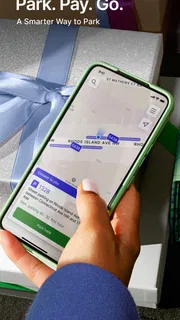
I judge a parking app not only by whether it can help find and pay for a space, but also by how much attention it demands when I’m already dealing with traffic, a tight schedule, or an unfamiliar street. ParkMobile: Park. Pay. Go. is a free parking app from Parkmobile, LLC, in the Auto & Vehicles category. Its purpose is straightforward: help drivers arrange parking through a phone, including reserving a spot ahead where that option is available. In my view, its inclusive value depends less on grand promises than on whether the steps feel manageable in the moment—and on whether the parking choices it shows suit the trip.
Clear navigation matters when parking is the priority
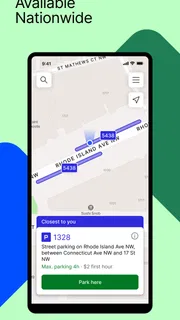
The main appeal of ParkMobile is that it brings parking tasks into one app rather than leaving me to piece together signs, payment instructions, and separate reservation services. That can be helpful when I know my destination but not the local parking routine. Instead of arriving and beginning the search from scratch, I can check the app beforehand and make a plan around the spaces it offers.
That distinction matters for readability as much as convenience. A driver approaching a busy block has little spare attention for studying unfamiliar instructions. I’d use the app while stationary, before setting off or after safely parking, to compare the available options and understand the payment steps. I would not treat any phone-based parking process as something to operate while driving.
ParkMobile has an average rating of 4.3 from around 89,000 ratings, and it has been installed over 10 million times. Those figures suggest it is a familiar choice for many drivers, but they cannot tell me whether it covers a particular street or fits an individual’s needs. The practical test is local: search for the destination and see whether the app actually offers a useful place to park there.
For a first visit, I’d start by checking the destination before leaving home, then compare the listed parking choices with the address and arrival time I have in mind. If reserving ahead is available for that trip, it can reduce one uncertainty. If it isn’t, I’d still want a backup plan rather than assume the app will solve every part of the arrival.
Make the search fit the trip
A useful habit is to search by the place I’m visiting, not simply by the general neighborhood. A venue, appointment, or street address gives me a more relevant starting point. I’d then consider the walking distance and the kind of arrival I need: a quick stop, a longer visit, or a time-sensitive appointment. The nearest option is not automatically the most suitable one if reaching it or completing payment adds stress.
The app’s current version is 26.40.1, and it supports devices running Android 8.0 or later. That gives Android users a basic compatibility check to make before installing. Its content rating is Everyone. These details are useful context, but they do not guarantee that every screen, text size, or interaction will work equally well for every person; I’d assess the actual interface on the device I use.
More articles

Instagram Makes Everyday Moments Worth Sharing
A rare social app that can be a photo diary, a neighborhood window, and a lively conversation in the same session—though its best moments still require a little restraint.
Motor and sensory needs in a real parking moment
Phone-based parking can reduce some physical tasks: there may be less need to find a payment machine, handle coins, or reach a control in an awkward location when the app supports payment for the space. That can be a meaningful convenience for someone who finds those actions difficult. It does not remove every physical demand, though. A driver may still need to park safely, use the phone, confirm the correct location, and complete the transaction.
For anyone with limited dexterity, I’d recommend setting up the app and learning its basic flow before arriving at a crowded destination. The point is not to rush through a payment with one hand while managing a vehicle. A passenger can help with the phone where appropriate, or the driver can complete the task once parked. These small choices make a digital process safer and less demanding without assuming that every user has the same abilities.
Sensory conditions also shape how usable a parking app feels. Sun glare, rain, noise, and the pressure of other cars waiting can make reading a screen harder. I would check the details in a calm setting, take note of the parking location and any instructions I need, and avoid relying on last-second screen reading at the curb. If the display is difficult to interpret on a particular device, a familiar payment method or a staffed parking facility may be the less stressful choice.
I would also be cautious about assuming the app can replace every form of assistance. Someone who needs a companion to help navigate a parking area, or who cannot comfortably use a phone interface, may still need another person or a different parking arrangement. Paying digitally can streamline one part of a trip; it does not make the physical environment accessible by itself.
Access changes with the place and the purpose
Imagine I’m visiting an unfamiliar medical office and have a fixed appointment time. I can check ParkMobile before leaving, see whether a relevant parking option appears, and decide whether reserving ahead is possible. That gives me a chance to plan the final approach instead of discovering the local payment process after arrival. If the listed choices are inconvenient, I can change the plan early—perhaps choosing another facility or arranging more time for the walk.
For a concert or a busy downtown visit, advance planning may be even more valuable because arriving without a parking plan can add pressure. But I would still compare the parking location with the actual destination and consider what happens after the event. A spot that looks convenient on a map may not suit someone who needs a shorter or simpler route on foot. The app helps organize the parking decision; the user still needs to judge whether the surroundings work for them.
Coverage is the key exception. A parking app can only help with options available for the location being searched. If ParkMobile does not show a suitable choice, I would check the signs at the destination, look for a different parking provider, or choose a public garage with a payment process I understand. I would not drive into an unfamiliar area assuming that every meter or lot will accept the app.
Compared with paying at a meter, ParkMobile can be more convenient when the location supports app payment and I prefer handling the transaction on my phone. Compared with a general map, it is more specifically focused on parking tasks and reservations rather than simply getting me to an address. A garage’s own payment method or a local parking service may still be better when it offers clearer instructions, a more suitable location, or options the app does not show.
Where friction remains
The largest practical limitation is that digital convenience depends on local availability and a working phone. If the app does not cover the place I need, it cannot replace the local signs or another payment route. If my battery is nearly empty, the screen is hard to read, or I’m not comfortable completing a transaction on a phone, the convenience can disappear at the exact moment I need it.
There is also a planning trade-off: looking for a space and deciding whether to reserve it can add steps before a trip. For a familiar, quick stop where I already know the parking routine, opening another app may be unnecessary. I’d use ParkMobile when it gives me a concrete advantage—such as checking a new destination or arranging parking ahead—not simply because every parking trip needs an app.
Although the app is free, users should distinguish that from the cost of parking itself. The app’s price does not mean a space is free. I would review the payment details shown for the chosen location and check any posted instructions before leaving the vehicle. That simple verification is especially worthwhile when I’m unfamiliar with the area or have selected a space in advance.
ParkMobile was released on November 28, 2011, and its long presence in the category helps explain why many drivers may already recognize the name. Still, familiarity is not the same as universal suitability. A person deciding whether to use it should think about their usual destinations, comfort with phone-based payments, and whether the app’s local parking options match the way they travel.
A practical inclusive verdict
My view is that ParkMobile can make parking more manageable for people who value planning, prefer digital payment, or want to check options before reaching an unfamiliar destination. Its strongest inclusive benefit is reducing avoidable uncertainty: I can investigate parking while calm, rather than trying to learn a new process under pressure. That is useful for many drivers, including people who find rushed, multi-step errands tiring.
It is not a complete accessibility solution. The app cannot make a distant space close, guarantee that a parking area is suitable, or remove the need to use a phone and understand the transaction. If screen interaction is difficult, phone access is unreliable, or the available location does not meet a person’s mobility needs, another payment method or parking arrangement may be better.
I’d recommend trying it for a planned visit rather than relying on it for the first time in a stressful arrival. Search the destination early, inspect the location and payment details, and keep a backup option in mind. ParkMobile is most useful when its local choices fit the trip and when using a phone is itself comfortable. For drivers in that situation, it can be a helpful parking companion; for everyone else, checking the alternatives is part of making the journey work.
Pros
- Reserve parking in advance at participating locations.
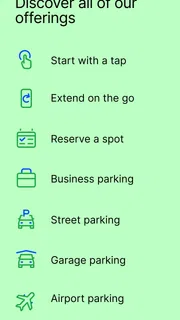
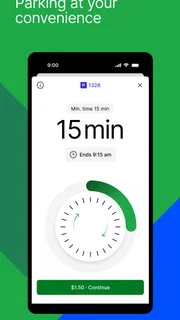
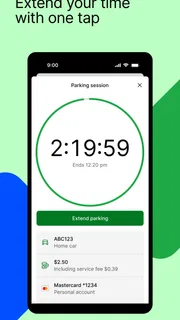
- Extend a parking session remotely when plans change.
- Save vehicle details for faster checkout.
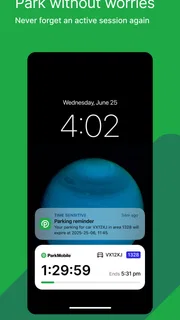
- Receive alerts before a parking session expires.
- View parking history and digital receipts.
Cons
- Availability depends on participating parking locations.
- Convenience fees may apply to some transactions.
- Parking rates can vary by location and time.
- A reliable internet connection is needed to manage sessions.
- Incorrect vehicle details can lead to parking fines.


