


Our review
 Analysis by Lookingapps
I’d consider TextNow when I wanted a separate number for calls and texts without taking on another traditional phone plan. It is a communication app from TextNow, Inc., and its appeal is practical: it gives everyday calling and messaging a place on your phone while also offering optional data plans. Whether that setup makes sense depends less on the promise of a free number and more on how you expect to use it, how dependable your connection needs to be, and whether you are comfortable managing communication through an app.
Choose it for the way you actually communicate
The first question I’d ask is what job you need the app to do. If you want a second number for casual conversations, online listings, or separating personal and other calls, TextNow can be useful without requiring you to replace your usual number. If you are looking for a full-time phone service that behaves exactly like a conventional carrier line in every situation, I’d compare the details of its plans and coverage with your current options before switching.
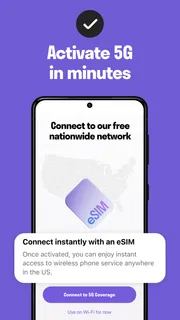
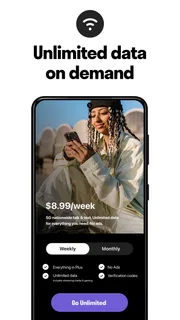
That distinction matters because TextNow is both an app and a phone-service option. Its free calling and texting can be attractive when you mainly communicate over Wi-Fi, while flexible 5G data plans give people who need mobile data another route. Those are different use cases: an occasional second line has different demands from the number you rely on for work, travel, and urgent calls.
The app is free to download and is rated for Everyone. It has an average rating of 4.6 from around 1.7 million ratings, with more than 100 million installs. Those figures suggest it has broad appeal, but they do not tell me whether it will suit your routine. I’d treat them as context, then focus on whether your contacts can reach you reliably and whether the available service fits the places you use your phone.
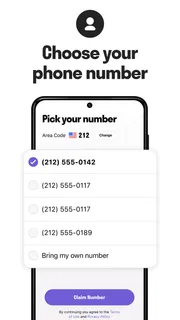
One everyday example is selling a used item online. I might use a separate number for conversations with interested buyers, keeping those messages apart from family and work chats. Once the sale is done, I can stop using that line instead of having shared my primary number with someone I may never contact again. That separation is convenient, though it is not a substitute for careful privacy habits: I would still avoid sharing sensitive personal information in ordinary messages.
Where TextNow earns its place
The strongest case for TextNow is flexibility. A person who spends most of the day on Wi-Fi may value a way to call and text without immediately committing to a conventional monthly phone plan. Someone who needs more connectivity can look at the optional data plans rather than treating the app as an all-or-nothing choice. I like that the basic idea can serve both a light-use second line and a more involved phone setup, provided the plan and connection meet the person’s needs.
It can also help with organization. I would keep the app’s number for a clearly defined purpose—such as community groups, temporary projects, or calls related to a side business—rather than mixing every conversation into my main line. The practical benefit is not merely having another number; it is being able to decide which conversations belong there. A simple personal rule, such as checking that inbox at set times, can make a secondary line useful without turning it into another constant stream of notifications.
More articles

Instagram Makes Everyday Moments Worth Sharing
A rare social app that can be a photo diary, a neighborhood window, and a lively conversation in the same session—though its best moments still require a little restraint.
TextNow is developed by TextNow, Inc., and the app has been available since September 1, 2012. Its current version is 26.42.0.0, and it supports devices running OS 9 or later. I’d check that requirement before planning a switch, especially if the phone is older or used as a backup device. The app’s long presence and large audience may make it familiar to many users, but compatibility and the quality of your own connection remain more important than popularity.
A less obvious advantage of a second number is that it lets you create a clean boundary between different kinds of contact without carrying a second handset. For example, a freelancer could share one number with occasional clients and keep their personal number for friends and family. The trade-off is that the boundary only works if the user keeps the number active and remembers to check it. If a message is important, I would tell the other person which number to use and make sure I have a routine for reviewing both lines.
Another useful workflow is to test the app before making it your primary contact route. I’d install it, use the number for low-stakes conversations, and see how it fits my daily habits before moving important contacts over. That trial period can reveal whether the app’s interface, notifications, and network performance work well in the places I actually go. It also avoids the awkwardness of discovering after a full switch that a key contact expects to reach me on a different number.
When another kind of service may be better
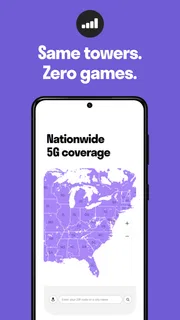
TextNow is not automatically the best choice for everyone who wants to spend less on phone service. A conventional carrier plan may be a better fit if you want one straightforward line and prefer managing calls, texts, and data through a familiar carrier relationship. A dedicated second-line service may suit someone whose only priority is separating work from personal calls. And if dependable mobile data is essential throughout the day, I would compare coverage and plan terms carefully rather than assuming that an app-based option will perform identically to the service I already use.
There is also a difference between having a separate number and having a complete privacy solution. A second line can reduce how widely you share your primary number, but it does not make conversations anonymous or remove the need to protect account access. I would not use it as a shortcut for handling banking, identity checks, or other high-stakes accounts without first confirming that the service is accepted for those purposes. For important logins, keeping a stable number you control consistently may be more valuable than saving money or separating casual contacts.
People who rarely use voice calls or SMS may not gain much from adding another communication app. If nearly all their conversations already happen in a messaging service their friends use, an extra number can mean one more inbox to monitor. On the other hand, people who regularly need to provide a phone number but do not want to give out their main one may find that separation worthwhile. The deciding factor is whether the extra line solves a real problem, not simply whether it is available.
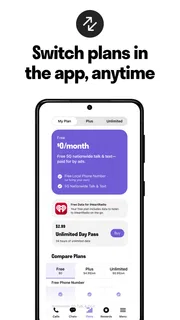
Plan details deserve attention before relying on the service for mobile connectivity. TextNow offers in-app purchases ranging from $0.29 to $99.99 per item, so I would review the options shown in the app and compare their terms with my actual data needs. A low-cost starting point can become less appealing if the plan I need is not the one I expected. I would also consider how often I use Wi-Fi, whether I need data while away from it, and what I would do if the connection were unavailable.
Switch carefully, and keep expectations realistic
Moving a phone routine is more than installing an app. Before replacing an existing line, I would make a list of the people and services that depend on that number, then decide which ones should move and which should remain attached to the original line. Friends can be told directly; accounts and work contacts may require separate updates. This small bit of planning prevents the common problem of having a new number but still needing the old one for important messages.
I would also keep the original service available until I had tested the new setup in ordinary conditions. Try calls from places where you spend time, send messages to people who use different phones, and check that notifications fit your routine. That is especially sensible if the number will be used for time-sensitive work. A gradual transition gives you a chance to spot friction before it affects clients, family, or other important contacts.
For a secondary number, I’d decide in advance how I want to handle missed calls and replies. If I use it for buyers or service inquiries, I can check it during a predictable window and close the loop promptly. If I use it for a side project, I can tell contacts that it is the right number for that project. Without such a boundary, a second line can create extra interruptions instead of reducing them.
The app’s audience and its free entry point make it easy to explore, but the real cost of switching is attention: keeping another number current, checking another inbox, and helping contacts adjust. That cost may be small for someone who wants a temporary or purpose-specific line, and frustrating for someone who wants one phone number to handle everything without extra decisions. I would weigh that everyday maintenance alongside any plan cost.
My recommendation
I’d recommend TextNow to someone who wants a practical second number, relies heavily on Wi-Fi, or wants to explore a more flexible phone setup before committing to a traditional plan. Its mix of calls, texts, and optional data plans makes it more adaptable than a simple messaging-only app, while the free starting point lowers the barrier to trying it. The app is rated for Everyone, and its broad adoption indicates that many people find the basic idea useful.
I would be more cautious about making it my sole line immediately. If your work, travel, or essential accounts depend on consistently reaching you, compare the available plans and coverage with your current service, test the app first, and move contacts in stages. For someone who wants a single, familiar carrier line with minimal account juggling, a conventional phone plan may be the more comfortable choice.
In short, TextNow makes the most sense when a separate number has a clear purpose. I’d use it to keep casual or project-related conversations apart, take time to test how it works in my routine, and choose a plan only after checking what I actually need. If that sounds like your situation, it is worth trying; if you want one dependable line with no extra inbox to manage, I’d stick with a simpler setup.
Pros
- A free US or Canadian number is available after setup.
- Calls and texts work over Wi-Fi without a cellular plan.
- The app supports voicemail for missed calls.
- Customizable ringtones help identify incoming calls.
- Number porting can preserve an existing eligible number.
Cons
- Free numbers may be reclaimed after a period of inactivity.
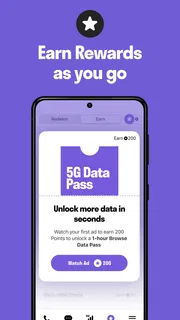
- Some features require a paid plan or in-app purchase.
- Free service availability is limited to the US and Canada.
- Ad-supported use can make the interface feel cluttered.
- Emergency calling may not work like it does with regular phone service.


