

Our review
 Analysis by Lookingapps
Prescription costs can turn a routine pharmacy visit into an unexpected budgeting problem. I see GoodRx: Prescription Coupons as a practical first stop when I want to compare cash prices before filling a medication, rather than as a substitute for a pharmacist, insurance plan, or medical advice. Its purpose is straightforward, but the useful part is the chance to check options before I’m standing at the counter and need to make a quick decision.
How it fits into a medication routine
GoodRx is a free medical app from GoodRx, aimed at people looking for more affordable prescription medicines for themselves or their families. The app is rated for Everyone, and its broad audience makes sense: the core task is comparing medication costs, not managing a complicated clinical record. It has an average rating of 4.8 from around 336,000 ratings, alongside roughly 162,000 written reviews and over 10 million installs. Those figures suggest many people have found it worth keeping around, though they don’t guarantee that every listed price will suit a particular prescription or pharmacy.
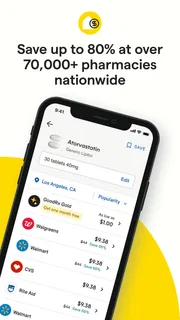
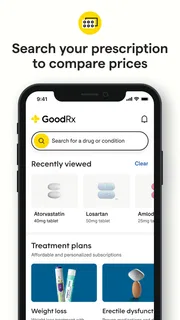
My preferred way to use a price-comparison tool like this is before a refill is due. I’d look up the exact medicine, check the available pharmacy choices, then call or visit the location to confirm the price and whether it can fill the prescription. That small extra step matters: a displayed discount is useful only if the pharmacy can apply it to the prescription I actually have. I would not treat a search result as a promise that a medication is in stock or that a particular price will be honored in every circumstance.
Why checking before the pharmacy helps
A realistic example is a family member who has a recurring prescription and notices the usual out-of-pocket cost has changed. Instead of assuming the current pharmacy is still the least expensive choice, I’d compare the medicine’s cash price at nearby locations before the next pickup. If the difference looks meaningful, I’d confirm it directly and ask what information the pharmacy needs to process the discount. This turns the app into a preparation tool: it gives me a better question to ask, rather than making the decision for me.
That approach is especially useful when insurance costs are unexpectedly high, a person is paying without insurance, or someone wants to compare a cash option with the amount they would otherwise pay. The right comparison depends on the prescription and the person’s circumstances. I would check with the pharmacist about how a discount interacts with insurance before choosing one, rather than assuming that combining them is possible or always beneficial.
What the current release tells me
The current version is 9.22.0, and the app has been available since December 12, 2012. That long presence and the current version number show that GoodRx is an established, maintained product, but a version number alone doesn’t tell me which features changed or whether a particular workflow was redesigned. I wouldn’t infer a specific improvement from the number. What matters to me as a user is whether the current app makes the core job—checking medication prices and comparing pharmacies—clear and dependable.
For someone returning after time away, I’d treat the latest release as the version to evaluate rather than relying on memories of an older interface. App layouts and individual flows can change over time. Before depending on it for a time-sensitive refill, I’d try a familiar medication search, make sure the pharmacy options are understandable, and confirm the result with the pharmacy. That is a simple way to judge whether the present experience works for your needs without assuming that past habits still map perfectly to the current app.
More articles

Instagram Makes Everyday Moments Worth Sharing
A rare social app that can be a photo diary, a neighborhood window, and a lively conversation in the same session—though its best moments still require a little restraint.
The app’s basic appeal has not changed in concept: it helps people look for a lower-cost route to a prescription. The practical effect for an existing user is that it can remain a useful check before paying, especially when a medication is taken regularly. But I would still compare the result with the actual amount charged at the pharmacy. A saved search or a remembered price is not a substitute for checking again when the prescription, location, or payment situation changes.
Useful habits that make comparisons more reliable
First, search using the medicine name and details from the prescription rather than relying on a rough recollection. Similar-sounding products or different forms of a medicine can lead to a comparison that doesn’t match what the clinician prescribed. If anything in the result appears inconsistent, I’d pause and ask a pharmacist instead of selecting a cheaper-looking option on my own. The app is a way to compare costs, not to decide which medicine or dosage is medically appropriate.
Second, compare more than one nearby pharmacy when the trip is manageable. A low price is less helpful if the location is inconvenient, the prescription cannot be filled there, or the timing doesn’t work. I’d weigh the potential saving against travel and the hassle of transferring or coordinating a prescription. For a small difference, staying with a familiar pharmacy may be the better choice; for a larger one, making a call to verify details may be worthwhile.
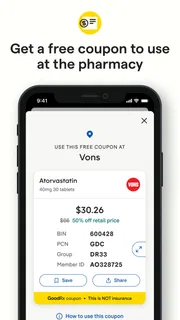
Third, keep the discount information available when you contact or visit the pharmacy, and ask how it should be used before the transaction is completed. It’s easier to resolve a mismatch before payment than to discover afterward that the price or processing method was different from what you expected. I would also ask whether using a discount affects how that purchase is handled by insurance, since the most attractive immediate price is not automatically the best choice for every person’s overall situation.
Where it differs from the usual alternatives
The common alternative is to rely only on the pharmacy’s posted or quoted price, or to ask the insurer what an insured fill will cost. Those routes can be perfectly adequate, particularly when a person has a stable prescription and already knows the least expensive option. GoodRx adds a comparison step across pharmacy choices, which is most valuable when the current cost is unclear or seems unexpectedly high. It is less useful if a user expects it to replace a pharmacist’s advice, insurance support, or a clinician’s decision about treatment.
Compared with calling pharmacies one by one, an app-based search can make the initial comparison less tedious. The trade-off is that a screen cannot settle every practical question: a pharmacy must confirm the details that matter for the actual fill. Compared with simply using insurance, a discount search can prompt someone to investigate a cash price, but it should not encourage them to ignore coverage rules or long-term consequences. I see it as another option to check, not a universal replacement for the usual payment method.
That distinction also helps set expectations for people managing several prescriptions. GoodRx may help them investigate one medicine at a time, but a collection of attractive individual prices does not automatically create a complete medication plan. Someone balancing multiple prescriptions, insurance coverage, and medical conditions may need a pharmacist or insurer to help compare the full picture. The app is strongest at the narrow, practical question of where a particular prescription may cost less.
Limits worth keeping in mind
The most important limitation is that a price comparison is only useful when it matches the exact prescription and can be honored by the pharmacy. A listed price can prompt a helpful conversation, but I would confirm it directly rather than travel across town on an assumption. The same caution applies to availability and timing: knowing a possible cost does not tell me whether the medicine is ready or when it can be filled.
There is also a human factor. Switching pharmacies for every apparent saving may be tiring, especially for someone who depends on regular refills or values continuity with a familiar pharmacist. A modest price difference may not justify extra coordination. And if the app’s result is confusing, or if a user is unsure whether a discount is appropriate alongside insurance, the safest next step is to ask the pharmacy or insurer—not to guess based on the lowest figure shown.
GoodRx is not the right tool for someone looking for diagnosis, treatment recommendations, or a way to change a prescription. Those decisions belong with a qualified health professional. It may also disappoint a user who expects every search to produce a clear saving: the practical value depends on the particular medicine, pharmacy, and payment arrangement. I’d install it for comparison and preparation, not as a guarantee that every medication will be cheaper.
Who I’d recommend it to
I’d recommend it to people who pay out of pocket, have a prescription whose cost has become a concern, or want to check alternatives before a refill. It can also be helpful for a family member assisting someone else, because doing the comparison ahead of time gives them a concrete starting point for a pharmacy call. Since the app is free, trying a search before a purchase carries little commitment, though users should still make their final choice based on confirmed pharmacy details and their own coverage situation.
I’d be more cautious about recommending it as a routine necessity to someone whose medication costs are already predictable and whose current pharmacy works well. There may be little benefit in repeatedly comparing prices when nothing has changed. For people with complicated insurance questions, frequent medication changes, or uncertainty about whether a medicine is right for them, professional guidance is more important than a discount search. The app can support those conversations, but it can’t replace them.
What I would watch in future use
For current users, the best reason to keep checking the app is practical rather than speculative: see whether the comparison still answers the question you have today, then verify the result before relying on it. GoodRx has reached version 9.22.0, but I would not assume a future release will add a particular feature or solve a specific limitation. I’d judge any update by whether it makes the price comparison easier to understand and the next step clearer.
My overall view is that GoodRx earns a place as a useful, focused cost-checking tool. Its strengths are most apparent when I search before a refill, compare realistic pharmacy options, and use the result to ask informed questions. Its limits are equally important: prices need confirmation, savings are not guaranteed, and medical or insurance decisions require more than an app search. If you want a low-friction way to investigate prescription costs, GoodRx: Prescription Coupons is worth trying; if you need clinical guidance or a complete answer about coverage, bring in a pharmacist, insurer, or clinician as well.
Pros
- Compare prescription prices at nearby pharmacies before filling a medication.
- Coupons are free to access and do not require insurance.
- The app can help people without coverage find lower cash prices.
- Price details are available for many common prescription medications.
- Saving coupons on your phone makes them easy to show at the pharmacy.
Cons
- Discount prices may vary by pharmacy and location.
- GoodRx coupons generally cannot be combined with insurance.
- Some medications may not have a coupon or meaningful discount.
- A pharmacy may not accept every coupon or discount offer.
- The lowest advertised price may require visiting a different pharmacy.


