
Our review
 Analysis by Lookingapps
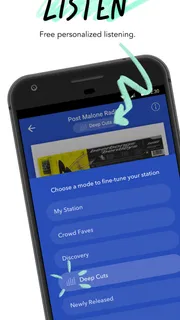
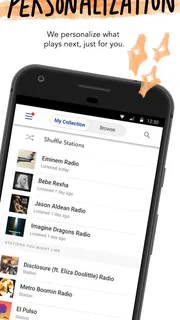
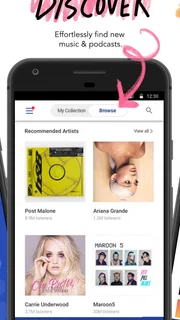
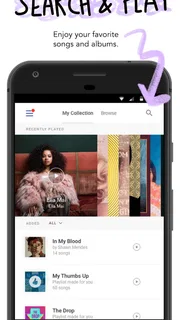
When I want music that can keep a mood going without making me choose every track, Pandora is an appealing option. It is a music and audio app from Pandora, built around access to artists, albums, playlists, and podcasts. My impression is that it suits people who enjoy listening with a light touch: pick a starting point, settle into a task, and let the app help fill the silence. It is less compelling if I want complete control over every song in a carefully ordered queue.
What the free option gives you—and what payment means
Pandora is free to install and use, with in-app purchases priced from $0.99 to $12.99 per item. That range is useful to know before signing up, but it does not by itself tell you which purchase will suit you or what a particular paid option includes. I would check the offer shown in the app before paying, rather than assume that every purchase unlocks the same benefits.
That distinction matters because the free starting point may already be enough for someone who mainly wants to discover music or have audio on in the background. If you listen casually, try it first and see whether its style of listening fits your routine. Paying makes more sense only if the specific option presented to you solves a problem you actually have, such as wanting a different listening experience. I would not treat a purchase as automatically worthwhile just because it is available.
The app is rated for Teen audiences, so it is not positioned as a child-only listening product. It has a 3.9 average from around 3.3 million ratings, alongside roughly 853,000 written reviews. Those figures suggest a large, mixed audience and plenty of feedback, but a rating cannot tell you whether Pandora’s approach matches your taste. I would use it as context, not as a substitute for trying the free experience yourself.
Value depends on how you listen
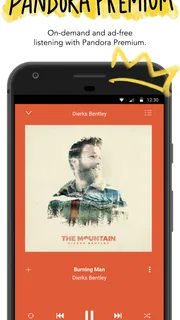
The strongest case for Pandora is convenience rather than a promise of unlimited control. If I already know an artist or album I want to hear, having those choices and playlists alongside podcasts in one audio app is practical. If I am less sure what to play, the app’s music-focused format gives me a way to begin with a familiar point of interest instead of building a track list from scratch.
That makes it useful in small, recurring moments: starting a work session, putting on music while cooking, or choosing something familiar for a commute. In those situations, the time saved from not making a long sequence of choices can be part of the value. For a listener who treats music as the main event and wants to select each next track, that same low-effort style may feel restrictive rather than helpful.
There is also a practical difference between having access to music and getting precisely the listening setup you expect. Before spending, I would ask myself whether I am paying to improve a genuine annoyance or simply responding to an upgrade prompt. The free version is a sensible way to judge the app’s basic fit; the listed purchase range gives a cost boundary, but not enough reason on its own to buy.
More articles

Instagram Makes Everyday Moments Worth Sharing
A rare social app that can be a photo diary, a neighborhood window, and a lively conversation in the same session—though its best moments still require a little restraint.
Where Pandora fits among other audio apps
Compared with a typical on-demand music service, Pandora’s appeal is strongest when I want the app to help shape what I hear rather than act only as a library of selections. Someone who prefers browsing a collection and choosing a specific album can still find that kind of content here, but may not value the discovery-led approach as much as a listener who wants to press play and keep moving.
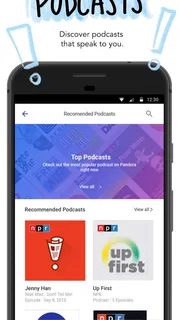
Compared with a dedicated podcast app, Pandora has a broader music-and-audio role. That can be convenient if I want music and podcasts under one roof, but a podcast-first listener may prefer a tool organized around following shows and managing episodes. I would choose based on the activity I do most often: Pandora is more persuasive when music is central, while a specialist podcast app may be a better fit when spoken shows dominate my listening.
The key trade-off is choice versus ease. An app that encourages a more guided listening session can reduce the effort of picking every song, but it may not satisfy someone who likes a deliberately arranged queue. If you are comparing alternatives, think about whether you want discovery, direct selection, or detailed podcast organization. The answer is more useful than comparing apps by name alone.
Small habits that make the trial more useful
For a fair test, I would not judge Pandora from a single short listen. I would try it in two different situations: first with an artist or album I already enjoy, then during a routine where I would normally spend time deciding what to play. That separates the question “Does this contain the kind of audio I want?” from “Does this make listening easier?” Those are different strengths, and one may matter more to you than the other.
I would also keep a mental note of when I reach for a particular choice. If I repeatedly start with a familiar artist, that tells me the app is useful as a launch point for music discovery or background listening. If I keep interrupting the experience to find a specific next track, I may be better served by a service built around hands-on selection. This is a simple way to assess fit without confusing novelty with lasting usefulness.
When deciding whether to pay, I would test the free option long enough to identify a clear limitation, then compare that limitation with the exact purchase being offered. The price range runs from $0.99 to $12.99 per item, but the appropriate value depends on the offer and your listening habits. I would avoid paying merely because the app is familiar or widely used; a purchase should make a noticeable difference to your own routine.
Who is likely to get the most from it?
I would recommend trying Pandora if you want a straightforward place for music and podcasts, enjoy starting from artists or albums you know, and do not need to micromanage every track. It can also suit people who like the idea of making one audio choice and then getting on with another activity. Its reach is substantial, with over 100 million installs, but popularity is not the same thing as a perfect match for every listener.
It is less suitable if your main priority is exact control over playback, if you want a podcast-centered system, or if you already have an audio app that handles your routine well. A person who mostly listens to carefully chosen albums may find little reason to switch. Likewise, someone who rarely uses music discovery should not assume that a large catalog of audio automatically adds value to their day.
For a household choosing an app, I would also take the Teen content rating into account rather than assume the experience is designed specifically for young children. It is a better fit to assess it as a general music and audio service, with the intended listener’s age and preferences in mind.
My verdict: try it before spending
Pandora makes the most sense as an easygoing audio companion, especially when music is part of the background to work, chores, or travel. I like the combination of music and podcasts and the low-pressure way it can fit into a day. Its appeal is not that it must replace every other listening app; it is that it can be a convenient option for people who want audio without planning every minute of it.
My reservation is that convenience is personal. If I want to control the exact order of songs, or need deeper podcast organization, I would compare other services before committing. And while the app is free to start, in-app purchases are optional spending decisions, not proof that a paid option will be useful to everyone. I would begin without paying, notice what feels limiting, and only consider an in-app purchase if its stated terms address that specific issue.
Overall, I would recommend giving Pandora a try if you value a relaxed music-first experience and want podcasts available in the same app. I would skip it—or keep it as a secondary option—if precise track selection or podcast management is your main concern. The best reason to choose it is not its scale or rating, but whether its particular balance of convenience and control matches the way you actually listen.
Pros
- Personalized stations adapt to your listening habits.
- Thumbs-up and thumbs-down help fine-tune recommendations.
- Offline listening is available with an eligible subscription.
- Podcasts are included alongside music discovery.
- Voice controls make playback easier while driving.
Cons
- Offline listening requires a paid subscription.
- Some tracks are limited to short previews on the free plan.
- Free listening includes audio and visual ads.
- Skipping tracks is limited on the free plan.
- Availability and features vary by country.


