



Our review
 Analysis by Lookingapps
I judge a travel app by what happens when I’m trying to make a real decision, not by how polished its first screen looks. Airbnb is most useful when I want to compare a stay with the kind of trip I’m actually taking: a quick city visit, a longer break, or a place where the group can spend time together. It brings homes, experiences, and services into one app, which can make planning feel more connected. The trade-off is that a wide choice still takes work to sort through, and a smooth browsing experience cannot guarantee that a particular listing suits me.
Browsing speed matters most when I’m comparing stays
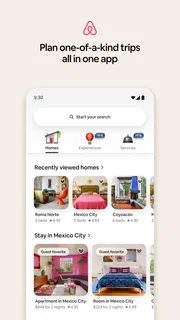
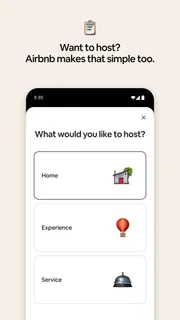
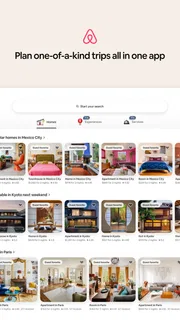
In ordinary use, I expect a travel app to help me move from a rough idea to a useful shortlist without making me start over every time I refine the plan. Airbnb’s redesigned app is built around booking homes as well as experiences and services. That broader scope is convenient when I’m still shaping a trip, though it also means I need to be deliberate about what I’m looking for rather than simply tapping through every category.
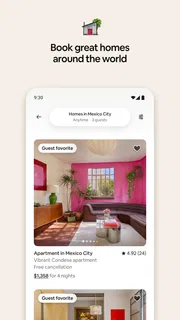
I find it helpful to search with the practical constraints in mind from the beginning. Dates, location, party size, and the sort of space I need are more useful starting points than browsing attractive photos without a plan. A property that looks ideal may not work for a group, a late arrival, or a stay where everyone needs a little privacy. Treating the first search as a way to build a shortlist—not as a final decision—keeps the process more manageable.
When I’m comparing several possibilities, I look beyond the lead image and read the details that could change how the stay feels: the layout, house rules, location context, and what the host says about the space. This takes longer than choosing a familiar hotel from a compact set of room options, but it is also where a home rental can offer a better fit. The useful speed here is decision speed, not just how quickly a screen appears.
One practical habit is to decide which trade-offs are acceptable before searching. I might prioritize a convenient location over extra room, or a shared living area over a more central address. That makes it easier to reject appealing listings that do not match the trip. It also reduces the temptation to keep browsing indefinitely because each new option seems potentially better.
When the app has more to handle
Airbnb is likely to feel busiest during the moments when I’m doing several kinds of planning at once: checking homes for a group, weighing different dates, and considering whether an experience or service belongs in the itinerary. The app’s breadth can be a strength, but it can also make the planning task feel larger. I would approach it in stages: settle the accommodation first, then consider extras once the basic trip is clear.
A realistic example is arranging a weekend with friends. I would first agree on the area and the group’s essential needs, then compare a small number of suitable homes. Only after the group has settled on a place would I look at experiences or services. This order avoids spending time planning activities around a stay that the group ultimately does not choose.
More articles

Instagram Makes Everyday Moments Worth Sharing
A rare social app that can be a photo diary, a neighborhood window, and a lively conversation in the same session—though its best moments still require a little restraint.
For a more demanding search, I would keep notes outside the app about why each shortlisted place made the cut: a suitable layout, a useful location, or a feature the group cares about. That simple step helps when multiple listings begin to blur together. It is especially valuable when decisions involve other people, since a shared shortlist is easier to discuss than a stream of screenshots and half-remembered details.
There is a limit to how much convenience the app can create. A large choice of homes does not remove the need to check whether the listing matches my expectations, and more options can mean more comparison. If my needs are straightforward and I only want a standard room in a familiar format, a hotel-booking app may get me to a decision with less browsing.
Reliability is also about recovering from a bad choice
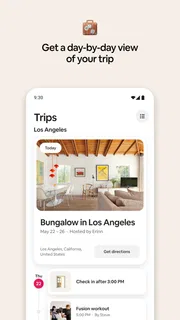
For a booking app, reliability is not only whether it opens and responds; it is whether I can make a considered choice and keep track of the plan. I would avoid treating a quick scan of photos as enough. Reading the listing carefully and making sure the details suit the people travelling with me are essential parts of using Airbnb well.
I also think about what happens if plans change. Before committing, I would review the terms shown for the specific booking and make sure they fit the likelihood of my plans shifting. Different stays may not be interchangeable, so I would not assume that a decision that worked for one trip will work for another. Checking the relevant details at the point of booking is more dependable than relying on memory or a general expectation.
If I encounter a confusing detail, I would pause before booking rather than trying to resolve the uncertainty after the trip is underway. For a group, I would also confirm the important points with everyone who is travelling: the location, sleeping arrangements, and any house expectations that matter to them. That is not a special app feature; it is a sensible way to reduce the chance of a mismatch between the listing and the group’s needs.
The experience is strongest when I use the app as a planning tool rather than as a promise that every option will be perfect. Airbnb can help me find a home that fits a particular style of trip, but the final judgment still depends on the listing and my own priorities. For a traveler who values a distinctive space, that effort can pay off. For someone who wants predictable room standards and minimal research, the extra evaluation may feel like friction.
Older devices and lighter planning
The current version is 26.42, and the app supports devices running Android 9 or later. That gives people with a range of Android devices a clear compatibility point to check before installing. I would still keep expectations sensible on an older or storage-constrained phone: an app built around travel browsing and visual listings can be more comfortable to use when the device has enough room and is not already struggling with everyday tasks.
I would not assume that a slower moment automatically means the app is unreliable. Travel browsing can involve many images and a lot of back-and-forth between options, and network conditions can affect the experience too. If a page feels slow, narrowing the search and reviewing fewer listings at a time is a practical response. For a major booking, I would also leave enough time to read details carefully instead of trying to make the decision while rushing between other tasks.
For people who mainly need a quick overnight stop, the app may be more than they need. A conventional hotel search can be simpler when the main priorities are a familiar room type and a fast comparison. Airbnb makes more sense when the shape of the accommodation matters—such as a group needing common space, or a traveler looking for a home-like setting—and when I’m willing to inspect options rather than select the first acceptable result.
Who will get the most from it
I’d recommend Airbnb to people who want their accommodation to be part of the trip’s character, not just a place to sleep. Families and groups may appreciate being able to consider a whole home, while longer-stay travelers may find it worthwhile to compare spaces in more depth. The app’s inclusion of experiences and services can also help someone who prefers to keep several parts of travel planning in one place, provided they do not let that breadth distract from the essentials.
I would be more cautious about recommending it to travelers who are short on time, dislike comparing individual properties, or need a highly standardized stay. In those cases, a traditional lodging option may be easier to assess. Airbnb is also not a substitute for reading carefully: the best-looking listing is not necessarily the best practical choice, and a property that suits one traveler may be wrong for another.
Airbnb is a free Travel & Local app from Airbnb, with an Everyone age rating. Its reach is substantial: it has over 100 million installs, around 2 million ratings, and an average rating of 4.5. Those figures suggest it is a familiar choice for many travelers, but they do not tell me whether a specific home is right for a particular trip. I still base that decision on the listing and the needs of the people travelling.
My performance verdict
What I value most is the app’s range: I can explore homes and consider other parts of a trip without treating accommodation as a generic checkbox. What I would improve in my own workflow is restraint. I would set priorities, shortlist only realistic options, and review the details before deciding. That approach makes the browsing feel more purposeful and helps prevent the abundance of choice from becoming its own obstacle.
In my view, Airbnb is a strong fit when flexibility and character matter more than the quickest possible booking. It is less compelling when I only need a standard room or want to avoid detailed comparison. I would use it for a group weekend or a stay where the layout and feel of the accommodation shape the experience, and I would choose a simpler alternative for a no-fuss overnight stop.
The app’s redesigned direction gives travel planning a broader scope, but performance is only one part of the decision. I would judge it by whether it helps me find a place that genuinely fits, not by how many options I can scroll past. Used with a clear shortlist and careful reading, Airbnb can be a useful companion for planning a more personal stay; used without a plan, it can turn a simple search into too much browsing.
Pros
- Filters help narrow stays by price and amenities.
- Guest reviews offer useful insight into places before booking.
- Saved wishlists make it easy to compare potential stays.
- Many listings include kitchens and laundry facilities.
- The app supports messaging hosts about booking details.
Cons
- Cleaning fees can make the final price much higher.
- Some hosts impose strict cancellation terms.
- Listing quality and accuracy can vary between hosts.
- Check-in instructions may be complicated or inconvenient.
- Support outcomes can depend on the specific booking issue.


