




Our review
 Analysis by Lookingapps
When I need something ordinary—a drawer organizer, a phone cable, or a small item for a craft project—I want to compare options without turning the errand into an afternoon. Temu is built for that kind of browsing: it is a free shopping app from Temu, focused on a wide mix of low-cost everyday goods. My experience is that it works best when I arrive with a rough need and time to inspect listings, rather than expecting a quick, predictable purchase of a particular brand.
From a vague need to a focused search
The useful starting point is not “What can I buy?” but “What problem am I trying to solve?” The catalog can encourage browsing well beyond the original errand, so I try to name the item and its essential requirements first. For a desk organizer, that might mean the space available and the type of items it needs to hold. This small step makes comparisons more purposeful and helps keep attractive but unnecessary finds from taking over the basket.
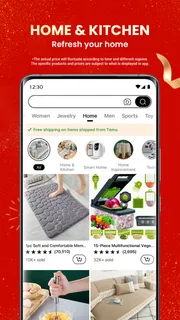
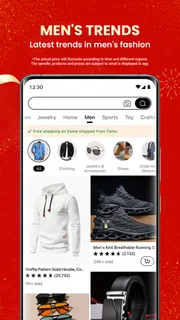
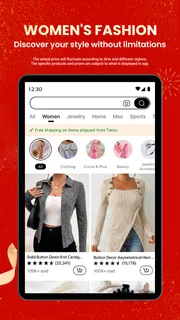
Temu’s appeal is the chance to look across many kinds of products in one place. That can be handy when I am assembling a small order for a home project, planning party supplies, or replacing a few miscellaneous household items. It is less compelling when the purchase depends on a familiar brand, specialist advice, or a precise match to something I already own. In those cases, a retailer with a narrower, more established range may be the better first stop.
The app’s scale is reflected in its 1 billion-plus installs and an average rating of 4.4 from around 13 million ratings. Those figures tell me it has reached a huge audience, but they do not settle the question that matters for an individual order: whether a particular listing suits my needs. I treat each product page as a separate decision, rather than assuming that popularity of the app guarantees consistent quality across its assortment.
Compare the listing, not just the thumbnail
In a visual marketplace, the first image can make two inexpensive items look interchangeable. I slow down and check the listing details, especially the size, material, included pieces, and how the item is meant to be used. For storage products, dimensions are more useful than a staged photo; for a set of accessories, I want to understand exactly what the set contains. These checks are mundane, but they are where a good-looking bargain either becomes practical or turns into a mismatch.
I also look for clues in the product images and description that answer my actual use case. If I need an organizer for a narrow drawer, a picture showing the product beside other objects may help me judge its proportions, but I still compare the stated measurements with the space I have. If that information does not make the choice clear, I would rather keep looking than guess. A low-cost item is not a good value if it cannot do the job.
One useful habit is to separate “nice to have” from “must fit.” Color and style are often flexible; dimensions and compatibility usually are not. I make the must-haves my filter for deciding whether a listing deserves attention, then compare the remaining options on appearance and cost. This keeps browsing from becoming a contest between attractive photos and helps me avoid buying several near-identical things just because each looks like a small deal.
More articles

Instagram Makes Everyday Moments Worth Sharing
A rare social app that can be a photo diary, a neighborhood window, and a lively conversation in the same session—though its best moments still require a little restraint.
Building a basket without losing track
Once I have a candidate, I think about the order as a whole. If I am shopping for a craft session, for example, I might be tempted to add tools, storage, and decorative pieces in one sitting. The practical question is whether those items actually belong together and whether each one has a clear purpose. Grouping purchases around a real task makes it easier to notice duplicate items and to reconsider anything added only because it looked appealing while scrolling.
This is also where I would pause before moving from selection to checkout. I review the basket item by item, checking that I chose the intended size or variant and that the quantity makes sense. For a multi-piece item, I verify what is included rather than inferring it from the main photo. That quick audit is especially worthwhile in a broad catalog, where visually similar listings can have different specifications.
Temu’s shopping experience is better suited to flexible browsing than to a tightly timed emergency. If I need a replacement today or cannot adapt if an item differs from my expectation, I would choose a nearby store or a retailer whose product and delivery arrangements I already know. For a non-urgent household improvement, I can afford to compare carefully and accept more uncertainty in exchange for exploring a broad selection.
The handoff from screen to doorstep
Online shopping has a handoff that a product page cannot complete: the item has to arrive, match the description, and work in the place I intended. I make that transition easier by keeping expectations grounded in the listing rather than in polished photography. A compact organizer may look roomier in a staged image than it feels in a real drawer; a decorative accessory may appear more substantial when photographed close up. Reading the details before ordering helps bridge that gap.
After placing an order, I keep the original purpose in mind when the parcel arrives. I compare the received item with what I selected and check its fit or function before putting it into regular use. That is a sensible habit with any online marketplace, and especially useful when browsing a variety of unfamiliar goods. If the item is not right, I would use the order information and the app’s available support or return options to understand the next step, rather than assuming every product follows the same process.
This handoff is one reason I would not use Temu as my default for purchases where safety, exact technical compatibility, or long-term reliability is critical unless I can verify those qualities for the specific item. A cable for a nonessential spare is a different decision from a component that must reliably support expensive equipment. For the latter, I would favor a specialist seller or a manufacturer I trust, even if that means less browsing and a higher price.
What a successful order looks like
The best outcome, in my view, is not simply that I found the lowest displayed price. It is that I solved the original problem without spending more time or buying more than I needed. A few useful storage pieces for a cluttered shelf, or materials that let me finish a small hobby project, can make the app worthwhile. The broad assortment is particularly handy when the items are modest, non-urgent, and easy to evaluate from their descriptions.
For an everyday scenario, imagine that I want to tidy a home office before a busy week. I would measure the drawer, search for organizers that fit, compare dimensions and materials, and check whether the chosen set contains enough pieces for the task. Before checkout, I would remove anything that does not solve the same problem. When the order arrives, I would test the fit before reorganizing the whole desk. That workflow makes the app a tool for a specific job instead of an open-ended invitation to shop.
There is a meaningful difference between this approach and using a conventional retailer for a known product. A familiar shop is often easier when I want a brand, a dependable specification, or a quick repeat purchase. Temu is more useful when I am open to comparing less familiar options and the item is simple enough for me to judge from its listing. I would not call either approach universally better; the right choice depends on how much certainty the purchase requires.
Where the flow can break
The main friction is the effort of deciding. A large assortment can make it harder, not easier, to pick the right item, particularly when multiple listings look alike. I avoid endless scrolling by setting a few criteria before I begin and stopping when I find an option that meets them. If I cannot tell whether a product is suitable after checking its details, I take that as a reason to skip it rather than a challenge to keep searching.
Another limitation is that a low displayed cost can distract from the total value of an order. My time spent comparing, the risk of a poor fit, and the usefulness of the final item all count. I try to ask whether I would still want the product if I had not encountered it during browsing. If the answer is no, leaving it out is often the best saving. This is a particularly useful check when shopping for inexpensive accessories that are easy to accumulate and hard to use up.
The app is rated for Teen audiences, and it is available for Android devices running version 6.0 or later. Its current version is 4.92.0, and Temu released it on August 25, 2022. It has about 621,000 written reviews alongside its much larger rating count, which gives prospective users another place to read about experiences, though I would still look for comments that relate to the exact product rather than treating general impressions as a guarantee.
Who I would recommend it to
I would suggest Temu to someone who enjoys comparing everyday goods, has a little patience, and can be flexible about brands. It can suit people sourcing small household accessories, craft materials, or decorative items when they are willing to inspect listings and think through the final use. The free app is easy to try, but the more important cost is attention: careful product selection takes more effort than tapping the first appealing result.
I would steer a time-pressed shopper, a person seeking a specific branded item, or anyone who needs professional guidance toward a more focused retailer. I would also be cautious about relying on an unfamiliar listing for a purchase where a mismatch could cause a serious inconvenience. Temu is most convincing when the stakes are modest and the item can be assessed clearly before ordering, not when the lowest price is being asked to stand in for certainty.
Overall, I see Temu as a browsing-first shopping app that can turn a practical need into a good find if I keep the process deliberate. The strongest routine is simple: define the job, check the specifications, review the basket, and judge the delivered item against the reason I bought it. When I use it that way, its huge range is an advantage. When I shop without a plan or need a guaranteed match, the same range can become the biggest source of friction.
Pros
- Daily deals can make a wide range of products affordable.
- Product pages include customer ratings and buyer photos.
- Order tracking makes it easier to follow shipments.
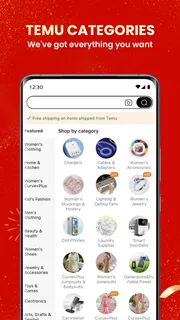
- The interface offers useful filters for browsing categories.
- Promotions and coupons can reduce the total cost.
Cons
- Product quality can vary considerably between listings.
- Shipping may take longer than delivery from local retailers.
- Some items may look different from their listing photos.
- Frequent promotions can make prices harder to compare.
- Returns may require extra time and effort.


