
Our review
 Analysis by Lookingapps
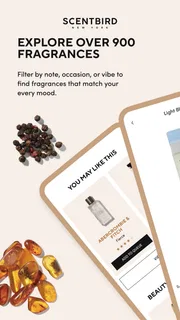
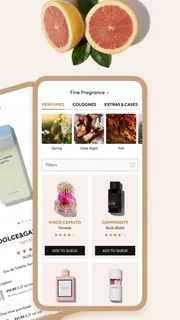
I like the idea behind Scentbird Monthly Perfume Box: instead of committing to a full bottle after reading a few notes on a screen, you can explore fragrance through a subscription-led service and decide what suits you over time. The app is free to download and sits in the beauty category, but its appeal is really about making perfume discovery feel more deliberate and less like a gamble. I’d consider it when I’m curious about scents beyond my usual choices, or when I want a more structured way to browse before buying full-size products.
How it fits into a fragrance routine
Perfume is personal in a way that makes online shopping tricky. A description can tell me that a scent is floral, woody, or warm, but it cannot tell me how it will feel on my skin or whether I’ll still enjoy it several hours later. A service centered on monthly perfume discovery offers a useful middle ground between sampling whatever happens to be available in a shop and purchasing a full bottle based on a hunch.
The app is made by Scentbird, Inc., and its central idea is easy to understand: use a recurring subscription to explore perfume rather than treating every fragrance choice as a one-off purchase. That makes it most interesting to people who enjoy trying new scents and are willing to make room for discovery in their routine. It is less compelling if you already have a signature fragrance and rarely want anything else.
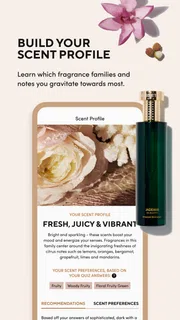
In practical terms, I’d use it as a companion to my own preferences, not as an authority that can tell me what I should wear. I would keep track of which scent families I reach for, notice what works for daytime or evenings, and use those observations to guide future choices. That kind of simple personal record can be more helpful than chasing whatever is currently popular.
When sampling beats buying a bottle
A realistic use case is getting ready for a change of season. Maybe the heavier perfume I liked during colder months now feels too intense for an ordinary workday. Instead of buying a new bottle immediately, I could use a monthly discovery service to explore lighter options, wear them in normal settings, and learn which ones actually fit my day. The key benefit is not merely having something new to try; it is getting a chance to form an opinion through use rather than relying on a brief first impression.
I would also find this approach useful before choosing a gift for myself or building a small fragrance wardrobe. One scent might work well for daily errands, while another feels more appropriate for a dinner or special event. Sampling over time gives those comparisons some context. It can help me distinguish “interesting when I first smell it” from “something I genuinely want to wear again.”
There is a trade-off, though. A subscription asks for ongoing attention: I need to remember that it is a recurring service and decide whether the next delivery still fits my interests. Someone who only wants one sample for a particular occasion may be better served by a local counter or a retailer that sells individual samples. The subscription model makes more sense when exploration itself is part of the appeal.
More articles

Instagram Makes Everyday Moments Worth Sharing
A rare social app that can be a photo diary, a neighborhood window, and a lively conversation in the same session—though its best moments still require a little restraint.
What the current app tells me
The app has a 4.7 average from around 41,000 ratings, with roughly 10,000 written reviews. It has been installed over a million times, which suggests that many people are interested in using a phone-based service for perfume discovery. Those figures offer a useful sense of its reach, but they cannot predict whether its selection or subscription approach will suit my taste. Fragrance preferences are too individual for popularity to settle that question.
It is free to install and rated for Everyone. The current version is 3.75.0, and the app supports Android 6.0 or later. I’d treat the version number as a practical point of reference rather than proof that a specific feature has recently changed. The app’s original release was on September 11, 2019, so it has had time to evolve, but a release date alone does not tell me which parts of the experience have been revised.
That distinction matters if you are an existing user. A current version can mean the app is being maintained, but I would not assume that an update has changed the fragrance range, subscription terms, or delivery experience unless the app itself makes that clear. Before relying on a particular detail, I would check the current screens and account information rather than base a decision on what an older review says.
How I’d make the discovery process more useful
My first tip would be to keep a small fragrance note on my phone. After wearing a scent, I’d record where I was going, whether I liked it after a few hours, and whether it felt too strong or too subtle for the setting. This is more actionable than writing “nice” or “not for me.” It can help me spot patterns: perhaps I enjoy fresh scents outdoors but prefer something softer in close indoor spaces.
A second useful habit is to avoid judging a perfume during a rushed morning. If I am testing something new, I’d wear it on a day when I have time to notice how my opinion changes. A fragrance that seems appealing at first might become distracting later, while one that initially feels understated could turn into a reliable everyday choice. The point of sampling is to learn from the full wearing experience, not just the first few minutes.
I’d also compare new discoveries with a scent I already know well. Wearing one familiar option on one day and a new one on another makes it easier to describe what I actually prefer. This is especially helpful if I am exploring outside my usual style. Without that reference point, it is easy to confuse novelty with a lasting preference.
Where it differs from ordinary perfume shopping
Compared with browsing in a department store, a subscription app is more convenient for people who would rather explore from home and let discovery happen gradually. A store counter, however, has a real advantage: I can smell products in person before choosing, ask questions, and make a decision without committing to a recurring arrangement. If I need a fragrance today, or I already know precisely what I want, traditional retail is the more direct route.
Compared with buying a full bottle online, the discovery-first approach may reduce the risk of ending up with a large product I rarely use. But it does not remove uncertainty. Personal chemistry, mood, weather, and setting all affect how I experience perfume, and a sample cannot guarantee that I will love a scent long term. I see this as a way to make more informed choices, not a shortcut that makes taste predictable.
It also differs from collecting free samples while shopping. Those samples can be excellent if I want to test a specific product, but they usually depend on what I happen to encounter. A monthly service is better suited to someone who wants fragrance discovery to be an ongoing part of their routine. If I am only curious about one named perfume, finding a single sample is likely simpler.
Friction worth considering before signing up
The main limitation is the commitment built into the concept. A monthly subscription can be enjoyable when I want regular variety, but it can feel wasteful if I accumulate fragrances faster than I use them. I would think about how often I actually wear perfume before choosing this route. If I apply fragrance only occasionally, a recurring delivery may outpace my habits.
There is also a difference between liking the idea of discovery and enjoying the decisions it requires. Some people find it fun to explore new options; others would rather find one dependable scent and stop browsing. The latter group may not get much value from a service designed around continuing exploration. Likewise, anyone who is sensitive to particular fragrance ingredients should make choices carefully and read product details rather than assume that a discovery format removes the need for personal caution.
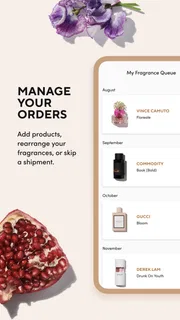
Another practical point is to treat subscription management as part of using the service. Before joining, I would look through the current account and plan screens so I understand how to manage future deliveries and whether the arrangement still fits my budget and routine. I would not sign up simply because the app itself costs nothing to download: the app’s free status and the cost of a subscription are separate considerations.
Who is likely to enjoy it—and who may not
I think this is best for someone who wears perfume often, likes comparing different styles, and is comfortable with a recurring discovery routine. It may also suit a person who wants to learn their preferences before spending more on full-size bottles. The most valuable outcome could be a clearer idea of what to seek out next, even if not every fragrance becomes a keeper.
I would skip it if I rarely wear fragrance, dislike subscriptions, or already have a preferred scent that covers nearly every occasion. I would also choose a physical store if I wanted to smell a particular perfume before making any decision, or a single-sample option if I had one specific product in mind. Those alternatives are not inferior; they simply fit different needs better.
What I’d check as the app continues to evolve
For existing users, I would pay attention to whether updates make the everyday subscription experience easier to understand and manage. Clear information about selections, account controls, and what happens next matters more to me than a long list of features. A fragrance service earns trust when I can make informed choices without having to guess what a tap or account setting will do.
I would also watch for improvements that help users turn experimentation into better decisions: clearer ways to compare past choices, remember what they enjoyed, and avoid repeating scents that were not a good fit. Those are useful expectations, not claims about what the current version already includes. The version history can show that an app has moved forward, but I would judge each change by whether it makes discovery more useful in real life.
Overall, I see Scentbird Monthly Perfume Box as a thoughtful option for people who want perfume discovery to be an ongoing habit rather than a single shopping trip. Its strongest case is helping me explore with more patience than a quick in-store test allows, while its biggest caveat is that a subscription only makes sense if I genuinely want regular variety. I’d try it with a clear idea of how often I wear fragrance, keep notes as I test new scents, and reassess whether the routine is still useful. If that sounds enjoyable, the app is worth considering; if you want one known perfume or a one-time sample, a simpler shopping option will probably serve you better.
Pros
- Explore new designer scents without buying full-size bottles.
- Monthly deliveries make it easy to refresh your fragrance rotation.
- Samples are compact and convenient for travel or carrying in a bag.
- The subscription can help you discover brands you might overlook.
- A useful option for testing a scent before committing to a larger bottle.
Cons
- The monthly fee may add up if you do not use each fragrance.
- Scent preferences are subjective so some selections may not suit you.
- A sample vial may not last through frequent daily use.
- Delivery timing can vary by location and shipping conditions.
- The service may have limited availability outside supported regions.


