

Our review
 Analysis by Lookingapps
I judge a photo app less by its promises than by whether it helps me finish a picture without turning a quick edit into a project. PicFusion Lab is a free photography app from X PhotoKit, and its appeal is easy to understand: it is aimed at people who want to make better-looking photos on a phone without needing a full desktop editing routine. Its name suggests an emphasis on combining or enhancing images, but I would approach it as a practical creative tool rather than assume any particular feature is available before trying it.
A small, current tool for everyday photo making
The app’s current version is 1.2.4, and it has reached more than 500,000 installs. That gives it a meaningful audience, though it is still a focused mobile app rather than a replacement for every kind of photography software. Its average rating is 4.4 from roughly 900 ratings, a generally encouraging signal, but one that cannot tell you whether its editing approach suits your taste or workflow.
In use, the most sensible way to think about PicFusion Lab is as a place to experiment with images you already have. I would reach for it when a photo needs a creative lift before sharing, when I want to explore a visual idea without opening a more demanding editor, or when I am making something informal for friends. That is a different job from carefully correcting a large batch of photographs or preparing a file for professional print work.
The distinction matters because photo apps tend to fall into two broad camps. Some prioritize quick, familiar adjustments and predictable results; others offer deeper control but take time to learn. PicFusion Lab sits in the creative photography space, so I would evaluate it by how easily it helps me move from an ordinary source image to an image I actually want to keep—not by how many controls it can claim to have.
Where it fits in a real routine
Imagine taking a handful of pictures at a weekend gathering and wanting one image to feel more polished before sending it to a group chat. I would first choose the shot with the clearest subject, make a copy if the app or my phone’s photo library allows it, and then try a modest edit. Starting with a strong image is more useful than expecting an editor to rescue a blurry or poorly framed one.
A second good use is making a quick visual draft: perhaps testing whether two photos work together for a post or deciding whether a more stylized treatment suits a memory. The important habit is to compare the result with the original before sharing. Creative edits can be appealing on screen while quietly obscuring faces, reducing detail, or making colors feel less natural than intended.
I would not choose it as my only tool if my regular work depends on precise exposure correction, repeatable color across a large set, or careful export control. For those needs, a more established editor with explicit adjustment and file-management tools may be a better fit. PicFusion Lab is more promising for experimentation than for a strict, consistent production pipeline.
More articles

Instagram Makes Everyday Moments Worth Sharing
A rare social app that can be a photo diary, a neighborhood window, and a lively conversation in the same session—though its best moments still require a little restraint.
What the release history can—and cannot—tell you
The app was released on May 23, 2026, and the present version number places it early in its life as a product. That is useful context, but a version number alone does not reveal which capabilities have changed, whether a particular tool was added, or how the editing experience has evolved. I would not treat “1.2.4” as proof of a specific improvement.
For someone considering an install today, the practical takeaway is to judge the current build on its own merits. A relatively early release can be a reason to keep expectations measured: small apps may still be finding their best workflow, and later development may refine the experience. That is a possibility, not a promise. I would base a decision on what the app does when opened now, rather than on assumptions about what the developer might add.
This perspective also helps existing users. If you already have PicFusion Lab, the version label is a useful reference when comparing your experience over time, but it does not by itself establish that a particular update fixed a problem. When an edit behaves differently after an update, check the result carefully and keep an untouched original. That is sound practice with any photo editor, especially one whose creative output you may want to reproduce later.
How to get a more dependable result
My first practical tip is to work from a duplicate whenever the image matters. This preserves a clean source and lets you compare the edited and unedited versions without relying on memory. It is particularly helpful with stylized effects, where the change can seem subtle while you are editing but look much stronger after you step away from the screen.
Second, test a new look on a photo with a clear subject and simple background. Busy images make it harder to tell whether an edit is improving the picture or simply adding visual noise. A portrait, a single object, or a landscape with a distinct focal point gives you a more useful test. Once you understand how the result treats edges, skin tones, and fine detail, you can decide whether it works for more complicated shots.
Third, keep the intended destination in mind. A picture for a private message does not need the same restraint or polish as one you plan to print or use in a professional portfolio. Before sharing, view the result at the size people are likely to see it and check that the main subject remains clear. If an effect makes the photo harder to read, undoing or reducing it is often a better choice than layering on more edits.
These are workflow recommendations, not claims about hidden tools inside the app. They help because a mobile editor’s value depends not only on its controls but also on how carefully you choose source images and judge the finished result. PicFusion Lab is best approached with that hands-on mindset: try an idea, compare it honestly, and keep the version that serves the photo.
Cost, access, and the trade-offs
PicFusion Lab is free to install, while optional in-app purchases range from $7.99 to $15.99 per item. I would begin with the free experience and decide whether the app earns a place in my routine before paying for anything. That is especially sensible for a tool you may use only for occasional creative edits rather than every day.
The purchase range is worth considering if you prefer a fully predictable editing budget. Before buying an item, check what it unlocks in the app and whether it addresses a real need for you. An optional purchase is only worthwhile if it changes a workflow you actually use; paying simply because a feature sounds advanced is an easy way to spend on an app that remains occasional.
The content rating is Everyone, and the minimum operating system requirement is Android 7.0. That makes the stated age rating broad and gives compatibility-conscious users a concrete starting point. Still, an operating system minimum does not guarantee the same speed or comfort on every device, so I would try the free version on the phone I plan to use before committing to a paid item.
One limitation of a creative editor is that “better” is subjective. A dramatic treatment may suit a playful social post but feel wrong for a family portrait or a product image. If you want straightforward correction and a natural look above all else, your phone’s built-in editor or a familiar manual-editing app may be a more direct choice. If you enjoy trying alternate visual directions, PicFusion Lab is easier to justify.
Who I would recommend it to
I would recommend giving it a try if you enjoy making quick visual experiments, edit on your phone, and are comfortable judging the result rather than expecting a guaranteed one-tap improvement. Its free entry point makes it approachable, and the install base suggests that many people have at least been willing to explore it. Neither popularity nor a favorable average guarantees a perfect fit, though; your own sample photos are the best test.
I would be more cautious if your priority is preserving a consistent look across many images, making exact technical corrections, or relying on a particular professional export process. In those situations, the usual alternatives—your device’s native editor for simple tweaks or a more control-oriented photography app for detailed work—are likely to be easier to evaluate. A specialized creative app can complement those tools without replacing them.
For someone already using the app, I would keep an eye on whether new versions make the parts of the workflow you care about more dependable, not just whether the version number rises. The meaningful signs are practical: whether edits are easier to repeat, whether your images remain suitable for their intended use, and whether optional spending feels justified. Those are useful measures for any update, without assuming that changes have already occurred.
My verdict after weighing the fit
PicFusion Lab is a reasonable app to explore if your idea of photo editing includes creative experimentation and quick phone-based results. X PhotoKit has built an app with a sizable audience, and the combination of a free install with optional purchases lets curious users start without an upfront cost. I like that as a low-commitment way to decide whether its style belongs in my own editing routine.
At the same time, I would not recommend it blindly as a complete photography solution. Its early release history calls for a little patience, and a creative tool is only useful when its results match the image and the person using it. Keep the original, test edits on simple photos first, and avoid paying until you know what you want from the app.
My bottom line: try PicFusion Lab if you want another way to explore and shape everyday photos, but keep a more predictable editor nearby for precise corrections or repeatable work. That combination gives you room to experiment without asking one app to do every job. For casual creators who enjoy comparing possibilities, it is worth a look; for photographers who need exact control above all, I would choose a more technical alternative first.
Pros
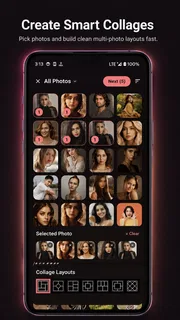
- Simple tools make photo collages quick to create.
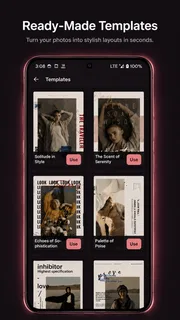
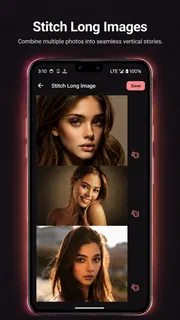
- Creative layouts help combine images in fresh ways.
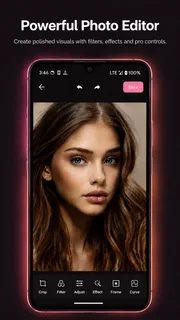
- Editing features suit casual photo projects.
- Finished designs are easy to share with others.
- The app offers a convenient way to personalize photos.
Cons
- Some editing options may require in-app purchases.
- Ads can interrupt the editing process.
- Advanced controls may be limited for experienced editors.
- Export quality may vary by selected settings.
- A stable connection may be needed for some features.


