


Our review
 Analysis by Lookingapps
When I first considered using DoorDash – Dasher, the appeal was simple: fit delivery work around the rest of my day rather than commit to a fixed schedule. That flexibility is the app’s main draw, but it is also something to judge in practical terms. A delivery app can make it easier to find work; it cannot make every shift convenient, predictable, or worthwhile. I’d treat this as a tool for exploring flexible delivery work, not a promise of effortless income.
What feels useful in the first week
DoorDash’s Dasher app is a free business app from DoorDash, built for people who deliver orders rather than customers placing them. Its purpose is narrower than a general gig-work platform: it gives a Dasher a way to take part in DoorDash deliveries and organize that work through a phone. If you are already curious about delivery driving, that focused setup makes the idea easy to understand.
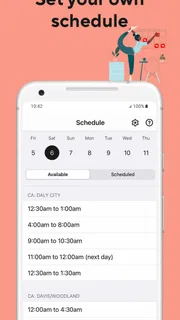
The first-week appeal is mostly practical. You can consider delivery work around other commitments instead of treating it like a conventional shift. That may suit someone with changing availability, a student testing a side job, or a driver who wants to try a different way of using spare time. The key question is not whether flexibility sounds attractive, but whether the work fits your local routine once you account for travel, waiting, and the time you need to stay available.
A sensible first approach is to start with a short window when you can pay attention and learn the workflow, rather than trying to make the app fit an entire day immediately. Keep track of the time you spend getting ready, driving, waiting, and wrapping up. That personal record is more useful than judging a shift only by the moments when you are actively carrying an order. It helps you decide whether the work is genuinely fitting into your life.
One everyday scenario shows both the appeal and the trade-off. Imagine you have a few free hours between other obligations. Dasher may give you a way to put that time toward delivery work without reshaping the whole week around a fixed job. But if those hours are interrupted, you need to stop often, or you cannot comfortably drive in the area where you live, the apparent convenience can shrink quickly. Flexibility is valuable only when the available work and your own schedule line up.
The app has a 4.6 average from around 685,000 ratings, and it has been installed over 10 million times. Those figures suggest it is a familiar option for many drivers, but they do not tell me whether a particular neighborhood or schedule will suit you. I would use the broad adoption as a reason to consider it, not as a substitute for testing the work on your own terms.
Making the first shifts easier to evaluate
Before you begin, decide what a worthwhile shift would look like for you. That might mean a manageable amount of driving, a work period that does not interfere with family plans, or simply learning whether delivery feels comfortable. Avoid setting expectations based on a single unusually smooth or frustrating outing. A handful of different sessions gives a more honest picture of how the app fits your routine.
More articles

Instagram Makes Everyday Moments Worth Sharing
A rare social app that can be a photo diary, a neighborhood window, and a lively conversation in the same session—though its best moments still require a little restraint.
I would also plan the practical details before opening a work session: where you can safely pause, how much time you can spare, and what you will do if the shift stops fitting your plans. This is not a hidden app trick; it is a way to make flexible work genuinely flexible. If you begin without a clear stopping point, it is easy to let a supposedly small block of work take over more of the day than you intended.
Why the value changes from month to month
After the novelty fades, the useful question becomes whether Dasher still earns a place on your phone and in your schedule. For me, the answer depends less on the first impression than on repeatability. Can you fit it into ordinary weeks without rearranging everything? Do you still find the work tolerable when it is no longer new? Those are better tests of lasting value than simply enjoying the freedom of trying it once.
DoorDash released the app in December 2013, and version 8.104.3 is the current version. Its age rating is Everyone, and the stated minimum operating-system requirement is version 9. That makes the intended audience broad, though an age label does not change the real-world demands of driving and handling deliveries. Before relying on it for regular work, check that your device can run it and that the app behaves reliably on the phone you actually use during a shift.
Compared with more traditional employment, this setup is appealing when control over timing matters more to you than a fixed routine. Compared with other delivery or gig-work apps, the main distinction to weigh is the specific platform and the work available where you live—not a general claim that one app is always better. If you already use another service, it may be more useful to compare how each fits your normal hours and local driving habits than to keep several apps open simply because more options sound better.
That comparison is especially important if you are looking for dependable, predictable hours. A flexible app can be a poor substitute for a job whose schedule and pay arrangements are clear in advance. Dasher makes more sense as an option for someone willing to adapt around delivery work than for someone who needs every week to follow the same pattern. If certainty is your priority, I would look first at conventional work or another arrangement that better matches that need.
A useful month-to-month habit is to review your own experience after each week or two. Note when you chose to work, how long the whole session occupied, and whether the work felt worth repeating. Do not let a busy day set your standard for every day. This simple check helps separate a genuinely useful side option from an app you open out of habit even when the work is not serving your goals.
The ongoing upkeep is part of the job
Dasher is not an app I would install and then forget about until I need money. Delivery work asks you to keep your phone ready, your plans realistic, and your attention on the road and the task at hand. The app may organize the platform side of the work, but it does not remove the ordinary effort of being prepared to drive. If your phone is unreliable or you dislike managing work through a mobile device, that friction can become more noticeable over time.
Keeping the app current is also part of a sensible routine. Updates can matter to day-to-day reliability, so I would check that the version on your phone is working as expected before making it central to a shift. The practical point is not to chase every update instantly; it is to avoid discovering a device or app problem when you have already set aside time to work.
There is a small but meaningful planning trade-off here: flexibility moves some of the organization onto you. You decide when to try working, how much time to leave, and when to stop. That independence is a real benefit if you prefer managing your own schedule. It can feel like unpaid mental overhead if you would rather have a manager or a fixed roster settle those decisions for you.
For a newer Dasher, I would keep the first few sessions deliberately simple. Choose a period that leaves room to learn, avoid stacking the work against an important appointment, and give yourself time to assess how the process feels. Once you know whether the routine suits you, you can decide whether it deserves a recurring slot. This approach is more sustainable than treating every available moment as a chance to work.
Where fatigue can set in
The freedom to choose when to work can also make it harder to draw a boundary. If you are always thinking that you could fit in one more session, the app may begin to occupy attention even when you are not using it. I would set a personal limit on how much time you are willing to devote to delivery in a given week. That limit protects the very flexibility that made the app attractive in the first place.
Driving itself is another source of fatigue that a phone interface cannot solve. Repeated time on the road, changing conditions, and the need to stay alert can make a short shift feel more demanding than expected. If you find that you are tired, distracted, or uncomfortable driving, stopping is more important than trying to squeeze extra use out of an app. This is not a good fit for someone who cannot give the work their full attention.
There is also a difference between having the option to work and having work fit neatly into your preferred hours. A schedule that looks open on paper may be interrupted by personal responsibilities or by the practical realities of getting around. I would avoid counting on Dasher as the only answer to an urgent financial need unless you already know from your own experience that the work is suitable for your circumstances. A flexible arrangement is not the same thing as guaranteed consistency.
Some people will be better served by a different choice. If you dislike driving, need a predictable timetable, or want a side activity that can be done entirely at home, this app is probably not the right match. A conventional part-time role may be less flexible but easier to plan around. Another delivery platform could be worth considering if its work better fits your area or schedule, though I would compare actual experience rather than assume that switching apps automatically fixes the underlying demands of delivery work.
Who should keep it installed
I can see lasting value for drivers who enjoy working independently, have room for variable shifts, and want to test delivery work without committing their whole week to it. It is also a reasonable option for someone who already knows they are comfortable driving for work and wants a dedicated way to take part in DoorDash deliveries. Its business focus is clear, and the free download lowers the barrier to considering it.
I would be more cautious if you are still deciding whether delivery driving suits you at all. Start with a modest commitment and judge the complete experience, not just the convenience of opening an app when you have spare time. Think about the preparation, travel, attention, and recovery the work requires. If those costs outweigh the freedom for you, there is no reason to keep forcing the app into your routine.
My long-term verdict is that Dasher earns a place when its flexibility solves a real scheduling problem, not merely because flexible work sounds appealing. DoorDash has a large audience, and the app is an established route into its delivery work, but lasting usefulness comes down to the fit between your availability, your location, and your tolerance for driving-based work. I would try it thoughtfully, review the experience after the first few sessions, and keep it only if it continues to make ordinary weeks easier rather than more complicated.
Pros
- Flexible scheduling lets Dashers choose when to work.
- The app shows estimated pay before accepting many offers.
- In-app navigation helps with reaching pickup and drop-off locations.
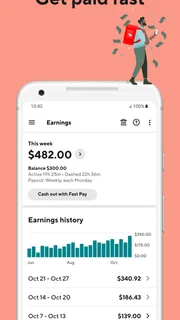
- Dashers can track completed deliveries and earnings in one place.
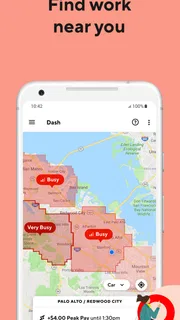
- Peak pay promotions can increase earnings during busy periods.
Cons
- Earnings can vary with demand and location.
- Vehicle costs such as fuel and maintenance reduce take-home pay.
- Some delivery offers may involve long distances for modest pay.
- Order delays can leave Dashers waiting without delivery pay.
- The app requires location access while completing deliveries.


