

Our review
 Analysis by Lookingapps
I would consider Bible Chat when I want a Bible app to support more than reading: it brings Scripture, prayer, audio, devotionals, and study plans into one place. That combination makes it appealing for building a regular faith routine, but it also means the app may feel busier than a straightforward digital Bible. My main question before installing it would be whether I want guided structure alongside the text, or simply a quiet place to read.
Choosing the right kind of Bible app
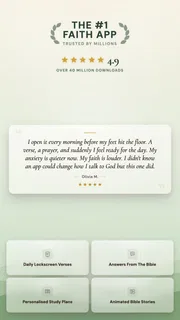
Bible Chat - Holy Bible Study is a Books & Reference app from Book Vitals Inc. It is free to install, with optional in-app purchases, and is rated for Everyone. Its 4.9 average across around 173,000 ratings and more than five million installs suggest that many people find it useful, though popularity alone cannot tell you whether its style will suit your own reading habits.
The app is most compelling if you often begin with good intentions and then lose the thread of a routine. Daily material and study plans can give a session a clear starting point, while prayer and audio offer alternatives to sitting down for a long reading. If you already read consistently and want a minimal interface centered on the biblical text, a dedicated Bible reader may be a better fit.
I would also think about how I use my phone. A short session between errands calls for something easy to enter and leave; a focused study session calls for fewer distractions and a plan that gives context. Bible Chat tries to serve both situations, so its value depends less on having every tool available and more on whether you will actually use several of them.
One app for several parts of a routine
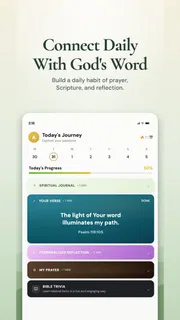
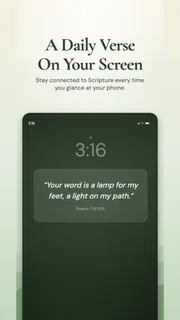
The strongest case for Bible Chat is the way its different formats can complement each other. A verse can be a quick point of reflection, a devotional can help frame a longer reading, and audio can make Scripture easier to fit into a walk or household task. Prayer and study plans add further ways to engage without requiring every session to look the same.
That variety is useful when a routine needs flexibility. I might read quietly in the morning, listen later when my hands are occupied, and return to a plan when I have time to explore a topic more deliberately. Rather than treating those as separate activities that need separate apps, Bible Chat places them within one Christian study experience.
There is a trade-off, though: a collection of tools is not automatically a coherent study method. I would choose one starting point for the week—perhaps a plan or a daily reading—and use the other features to support it, rather than hopping between every section. That simple boundary can prevent an app with many entry points from turning a short devotional moment into aimless browsing.
More articles

Instagram Makes Everyday Moments Worth Sharing
A rare social app that can be a photo diary, a neighborhood window, and a lively conversation in the same session—though its best moments still require a little restraint.
Making the features work in ordinary life
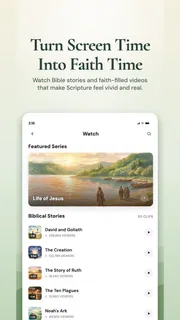
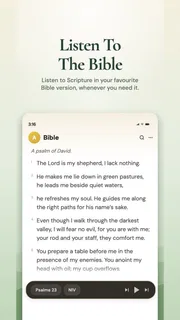
A realistic use case is a commuter who wants to listen rather than read on the way to work. Audio can make that time feel more intentional, while a later quiet moment can be used to revisit a passage and reflect through prayer. The practical insight is to treat listening as a first encounter, not necessarily the whole study: audio is convenient, but it may be harder to pause, compare, or make notes while moving through a busy day.
For someone with only a few minutes, I would avoid opening the app without a purpose. Decide whether the session is for a verse, prayer, or progress in a study plan before tapping around. That small choice makes the different content types more useful and gives a brief visit a natural stopping point.
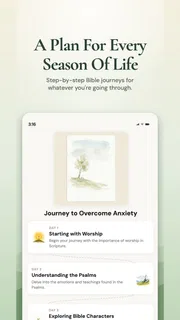
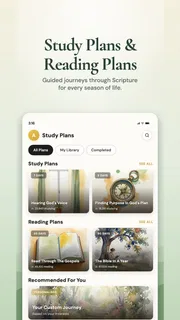
Study plans are particularly valuable when a topic feels too broad to approach alone. Instead of searching for an isolated passage every time, a guided sequence can give reading a sense of direction. The trade-off is that a plan supplies structure rather than a personal teacher: readers who need detailed historical context, scholarly commentary, or a particular denominational interpretation may want a more specialized reference alongside it.
Another useful workflow is to separate inspiration from investigation. A devotional may help me notice a question or theme; I can then use a longer, focused reading session to examine the text rather than assuming a short reflection has answered everything. That distinction matters for anyone using an app for serious study: encouragement and close textual analysis are related, but they are not interchangeable.
Where it stands beside simpler alternatives
Compared with a basic Bible-reading app, Bible Chat has a broader role. A plain reader is often the cleaner choice when the priority is opening Scripture quickly and staying with the text. Bible Chat is more suitable when prayer, audio, devotional reading, and planned study are part of the same habit. Neither approach is inherently better; the deciding factor is whether extra guidance helps you engage or pulls your attention away.
It also differs from a general reading or note-taking tool, which may offer a calmer workspace but will not necessarily organize a Christian routine around prayer and devotion. Conversely, people who prefer their own books, church materials, or independent study resources may find a multi-purpose app unnecessary. I would not replace a trusted study reference just because a single app is more convenient.
For group or church study, the right choice depends on what the group expects. Bible Chat can serve as a personal companion before or after a meeting, especially for a daily reading habit. If the group follows a specific translation, curriculum, or interpretive approach, confirm that the app’s available material matches those needs before relying on it as the shared resource.
The app is therefore not a universal replacement for every Bible tool. It makes more sense as a flexible personal routine builder than as a specialist research library. Readers who want uninterrupted text may prefer a simpler reader; readers who want structured prompts and several ways to engage may appreciate having these options together.
What to expect from the free start
Bible Chat is free to download, but it also offers in-app purchases ranging from $0.99 to $99.99 per item. I would begin with the free experience and see whether its core routine suits me before paying for anything. The spread in possible purchase amounts is a reason to check the price shown for a specific item in the app store rather than assuming that every feature or plan is included at no cost.
That approach also helps answer a practical question: will I use the app often enough to justify optional spending? Try a few different modes—reading, prayer, audio, and a plan—over ordinary days, not just during the first burst of enthusiasm. If only one section fits your habits, a narrower free Bible reader may meet your needs just as well.
Switching to Bible Chat should not require changing your beliefs or abandoning other resources, but changing a reading routine does have a small cost: you need to learn where you prefer to begin and resist the temptation to keep sampling features. I would make the transition gradual. Keep an existing reading plan or printed Bible in use while testing whether the app’s structure adds value, then decide which tool deserves a regular place.
The current version is 5.0.27, and the app requires Android 8.0 or later. It was released on July 30, 2023. Those details matter if you are installing on an older Android device; checking compatibility first is more useful than discovering an operating-system mismatch after planning a new routine.
Who will get the most from it
I would recommend Bible Chat - Holy Bible Study to readers who want gentle structure, appreciate switching between listening and reading, or are trying to make prayer and Scripture part of an ordinary day. Its Everyone content rating makes it broadly accessible, while its combination of formats gives a newcomer several approachable ways to begin without demanding a long session.
I would hesitate to recommend it to someone who dislikes prompts, wants a strictly text-first reading environment, or expects advanced biblical research tools to be the center of the experience. It may also be a poor match for anyone who feels overwhelmed by multiple content sections. In those cases, a simpler Bible app, a printed study Bible, or a dedicated reference resource can keep attention on the specific task at hand.
My practical recommendation is to use one feature as an anchor and let the others serve a clear purpose. Pick a daily moment, choose a reading or plan, and use audio or prayer when they genuinely fit the day. Bible Chat’s 4.9 average and around 2,500 written reviews indicate a strong reception, but the best test is whether its combination of guidance and flexibility helps you return to Scripture consistently.
Overall, I see Bible Chat as a thoughtful option for people who want a companion to their Bible habit rather than just a digital copy of a book. Its breadth is its real advantage and its main compromise: it can make engagement easier, but readers seeking simplicity or deep specialist study may be happier elsewhere. If you want several ways to build a personal Christian routine in one app, it is worth trying at no download cost and judging by the habits it helps you keep.
Pros
- Offers chat-based access to Bible passages and explanations.
- Can make scripture exploration feel more approachable for beginners.
- Supports asking questions about faith at any time.
- Combines study tools with devotional content in one app.
- May help users reflect on passages through guided prompts.
Cons
- AI responses may contain errors or lack important context.
- Some features may require a paid subscription.
- Chat answers are not a substitute for qualified pastoral guidance.
- A stable internet connection may be needed for key features.
- Personal or sensitive questions may raise privacy concerns.


