
Our review
 Analysis by Lookingapps
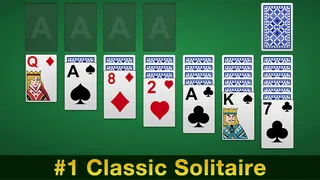
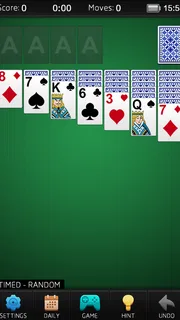
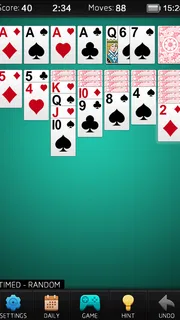
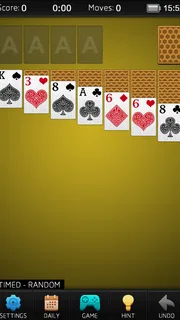
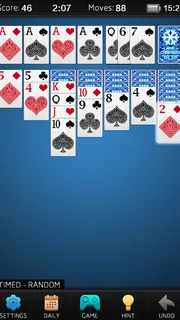
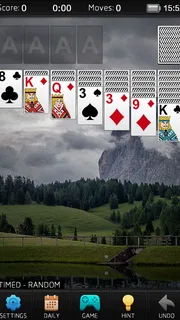
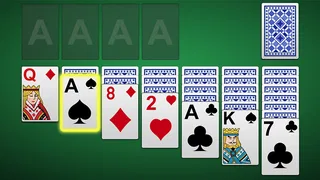
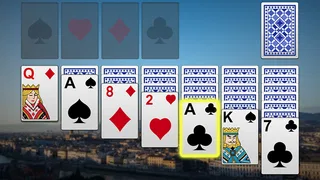
Solitaire keeps its appeal straightforward: it brings the familiar patience card game to Android in a free, easy-to-approach package. I like that simplicity. There’s no need to learn a sprawling ruleset or invest in a long session; the basic pleasure is sitting down with a deck, looking for the next useful move, and seeing whether the cards fall into place. For anyone searching for a classic Solitaire card game on mobile, Mouse Games’ version makes a clear case for itself through familiarity and accessibility rather than novelty.
A familiar card game, kept approachable
Some mobile games are built around constant rewards and elaborate systems. Solitaire works differently. Its appeal comes from a small, recognizable challenge: arrange the cards, uncover possibilities, and try to complete the layout. That makes it an easy choice when I want a game that doesn’t demand a big time commitment or a learning period before the fun begins.
The game is described as a free Solitaire experience for Android, also known as Patience. That alternate name matters because players may know the same classic pastime by either title. If you’re looking for a free Patience game, this is the same familiar territory: a card-focused pastime that rewards attention and patience, with rules many players already understand.
Mouse Games released the game on January 18, 2017, and the current version is 5.9. It supports Android 4.0 and newer, so its requirements are modest by modern standards. The age rating is Everyone, which fits the game’s broad, non-specialist appeal. It costs nothing to download, making it straightforward to try if you’re in the mood for a traditional card game.
Why the classic format still works
The strongest part of Solitaire is the design of the game itself. A card layout creates a compact puzzle, and each decision can open up another possibility or leave you with fewer options. That simple tension is the reason the format has endured: there’s enough to think about to keep a round engaging, but the basic idea remains easy to grasp.
I also appreciate how naturally Solitaire fits short breaks. A round doesn’t require the kind of concentration or preparation that a more complicated game might. You can settle in for a quick session, make a few moves, and stop when you’re ready. The appeal is less about spectacle and more about having a familiar activity available whenever you want a calm, low-pressure diversion.
That strength comes with an important caveat: this is a review of a classic format, not a claim that the game reinvents it. Solitaire’s core enjoyment rests on the card puzzle, and players who already enjoy that puzzle will understand the attraction immediately. Those hoping for a radically different kind of mobile game may find that the familiar premise is also the limit.
More articles

Instagram Makes Everyday Moments Worth Sharing
A rare social app that can be a photo diary, a neighborhood window, and a lively conversation in the same session—though its best moments still require a little restraint.
What the game does best
Solitaire’s biggest virtue is its immediate accessibility. The name tells you what sort of experience to expect, and the basic rules are widely familiar. You can approach it without needing a story recap, a character guide, or a long tutorial. That makes it especially convenient for casual play and for people who simply want a traditional card game on their phone.
Its scale also suits the genre. A game like this doesn’t need to compete with large adventures or complex strategy titles on their own terms. It offers a contained challenge instead: examine the cards, consider your options, and make a move. When that’s what I want, the directness feels like a strength rather than a lack of ambition.
The overall audience response is substantial: Solitaire has more than 10 million installs, with an average rating of 4.5 from around 233,000 ratings. It has also accumulated roughly 44,000 written reviews. Those figures suggest that the straightforward concept has found a broad audience, though popularity alone doesn’t guarantee that every player will want the same thing from it.
Where the experience may feel limited
The same simplicity that makes Solitaire approachable can also make it feel repetitive. If you don’t enjoy the patience card format, the game’s central activity may not provide enough variation to hold your interest. There’s no need to dress that up as a flaw in the genre: it’s simply a matter of whether a familiar card puzzle is what you want to play.
It’s also worth setting expectations carefully. A title built around Solitaire is best judged by how appealing you find the traditional pastime, not by assumptions about extra modes or elaborate features. I wouldn’t recommend it to someone looking specifically for an action game, a deep narrative, or a broad collection of different activities. Its identity is narrow, and that focus is both its appeal and its main constraint.
For experienced Solitaire players, the familiar rules may be exactly what makes it useful. For newcomers, the recognizable format provides an approachable starting point. But players who tire quickly of repeating a central game loop should consider that before downloading. The best reason to choose this title is a genuine interest in card-based patience, not the expectation of constant change.
Who is likely to enjoy it?
I’d point Solitaire toward people who want an uncomplicated mobile card game they can pick up without much preparation. It should suit fans of classic patience games, casual players looking for a quiet break, and anyone who prefers a self-contained puzzle over a demanding, long-form experience. Its Everyone age rating also reflects how broadly approachable the basic concept is.
It can be a sensible choice if you’re revisiting a game you already know, too. Having a familiar card pastime on an Android device offers an easy way to spend a spare moment, without requiring you to commit to a complicated new hobby. And because the game is free, trying it is a low-barrier way to see whether this version of the classic format suits your preferences.
On the other hand, I’d steer players seeking variety toward a different kind of game. Solitaire doesn’t need to be more than Solitaire, but that means the experience depends heavily on how much you enjoy the core card puzzle. If you want fast action, a rich world, or a sequence of different challenges, the simple premise may wear thin sooner than it does for a fan of the genre.
A considered verdict
Mouse Games’ Solitaire is a sensible pick for anyone who wants the familiar patience card game on Android. Its best qualities are its accessible premise, low-pressure feel, and straightforward appeal. The game doesn’t need a complicated pitch: it offers a classic card pastime in a free mobile package, and that is enough to make it worth considering for the right audience.
My reservation is equally simple. Familiarity can become repetition, and players who aren’t already drawn to Solitaire may not find enough in the format to change their minds. That isn’t a reason to dismiss the game; it’s a reason to choose it for what it is. I’d recommend it to casual card-game fans and anyone who enjoys a quiet, focused puzzle, while suggesting that players looking for depth or variety look elsewhere.
Overall, Solitaire succeeds by staying close to the appeal of the classic game instead of promising a different experience. With an average rating of 4.5 and more than 10 million installs, it has clearly reached a large audience. If you want a familiar, free Android card game for short sessions, it’s an easy one to try; if you need a steady stream of new ideas, its simplicity may be its stopping point.
Pros
- Simple rules make it easy for newcomers to learn.
- Offline play makes it useful without an internet connection.
- Short rounds fit neatly into breaks.
- Undo options help correct accidental moves.
- Daily challenges add fresh goals to regular play.
Cons
- Some versions show frequent ads between games.
- Random deals can occasionally feel unsolvable.
- Touch controls may cause accidental card moves.
- A shuffled deck can produce repetitive layouts.
- Hints may reduce the challenge for experienced players.


