


Our review
 Analysis by Lookingapps
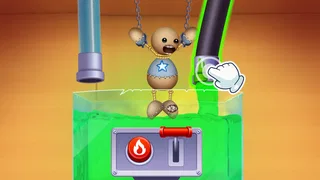
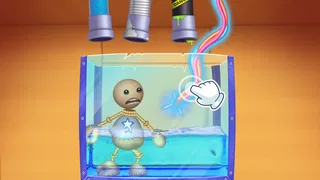
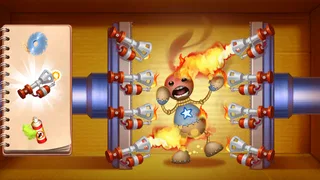
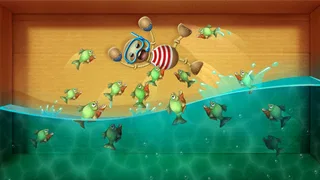
When I want a quick, silly distraction rather than a serious action game, Kick the Buddy is the kind of thing I reach for: its appeal is built around interacting with a comical dummy, not mastering a story or a competitive challenge. That makes it easy to understand, but it also sets a clear expectation. I find it best as a short, low-commitment outlet for restless moments, not as a game with much depth to uncover.
What to expect from this unusual action game
Made by Playgendary Limited, this free action game has been around since May 22, 2018. Its premise is deliberately uncomplicated: use the dummy as the focus of your play and enjoy the exaggerated slapstick. The humor is the point, and the game does not ask me to learn a complicated control scheme before I can get started.
That simplicity is a real strength when I have only a minute or two to spare. I can open it, make a few choices, and get the basic joke without first remembering a plot or finding a match. In that sense, it sits closer to a digital stress toy than to a conventional action game. If you want careful combat, tactical decisions, or a strong sense of progression, you may find the central gag wears thin sooner than you would in a more involved game.
The contrast with typical action titles matters. Many action games reward timing, movement, or learning enemy patterns; Kick the Buddy’s attraction is more about playful interaction and immediate feedback. I would pick it over a demanding fighting game when I want something unserious, but I would choose a level-based action game if I wanted a goal to work toward or a challenge that grows over time.
Where players can get stuck
The first point of friction is not understanding the premise; it is deciding whether that premise is enough for you. The core activity is intentionally repetitive. If you enjoy absurd, cartoonish play, repetition can be part of the appeal. If you usually need new environments, a narrative, or a steadily changing set of objectives to stay interested, the same simplicity can feel like a limitation.
It is also worth remembering that “free” does not mean every optional purchase is free. The game is free to download, with in-app purchases ranging from $0.99 to $99.99 per item. I recommend treating any purchase prompt as a separate decision rather than assuming it is necessary to enjoy the basic idea. If you are setting it up for someone else, especially a younger player, agree on purchase expectations before handing over the device.
The age rating is Teen, so I would not choose it automatically for a small child simply because the presentation looks cartoonish. The humor centers on rough treatment of a dummy, which some families may find harmless and others may prefer to avoid. It is sensible to consider that tone alongside the age guidance and the preferences of whoever will be playing.
More articles

Instagram Makes Everyday Moments Worth Sharing
A rare social app that can be a photo diary, a neighborhood window, and a lively conversation in the same session—though its best moments still require a little restraint.
Another common mismatch is expecting a calming result every time. The game is framed as a way to unwind, but the loud, exaggerated slapstick may feel more stimulating than soothing to some people. I use it as a brief diversion when I want something goofy; if I am already irritated by noise or visual busyness, I would rather choose a quiet puzzle or a simple breathing break.
Setup checks before you start
Before installing, check that your device runs Android 7.0 or later if you are using Android. That is a practical first step when a download will not install or the game does not appear as available. On iOS, use the app store on your device to check compatibility there rather than assuming the Android requirement applies.
Once installed, give the game a moment to finish opening before concluding that it has failed. If it seems stuck, close it and launch it again, then check whether the device has a stable connection if the store or any connected service is involved. These are general troubleshooting steps, not a promise that every loading problem has the same cause. I would also make sure the device has enough free space for normal app operation rather than repeatedly tapping an unresponsive screen.
For a smoother first session, I suggest opening the game when you have a little time to explore instead of trying to learn it while rushing between tasks. Try the basic interaction first, notice how the controls respond, and decide whether the humor suits you before considering any optional purchases. That small pause can prevent the common mistake of spending money simply because a prompt appeared before you had decided whether you even like the game.
One useful habit is to separate setup trouble from gameplay disappointment. If the app opens and responds, but the repeated slapstick is not holding your attention, reinstalling is unlikely to change the style of the game. Conversely, if controls or loading behave unexpectedly, restarting the app and checking for an available update are more sensible first steps than assuming the game itself is unsuitable.
A practical way to recover a session
If a session becomes unresponsive, I would start with the least disruptive checks: wait briefly, close and reopen the game, and restart the device if the issue continues. Then check the app store for an update and confirm that the device still meets the platform’s basic requirements. This sequence helps distinguish a temporary hiccup from a more persistent compatibility or device issue without requiring complicated changes.
If the game works but feels cluttered or overwhelming, change the way you use it rather than forcing a long session. I find a short play window works better than leaving it open while doing other things: decide in advance that you are taking a quick break, play until the joke has landed, then move on. That keeps the deliberately repetitive format from turning into background noise.
For anyone sharing a phone or tablet, it also helps to keep purchase decisions deliberate. Check the purchase confirmation on the device and avoid letting a child explore payment prompts unsupervised. The listed purchase range is broad, so a quick conversation about whether spending is allowed is more useful than trying to sort it out after an accidental tap.
When the game may not be the cause
A slow or unreliable experience is not automatically a flaw in the game. An older device, limited free storage, background activity, or a temporary network problem can affect how an app opens or behaves. I would test the device’s general responsiveness and connection before blaming Kick the Buddy for a one-off delay. If other apps are struggling too, the issue may be broader than this game.
Likewise, if you are bored after a few sessions, that is probably a question of taste rather than a technical fault. The game’s defining idea is intentionally narrow. It is not the right pick for someone looking for a long campaign, a competitive community, or a puzzle that rewards careful planning. A more structured action game is a better choice if you want clear stages and goals; a quiet casual game is more suitable if your aim is to settle down rather than engage with comic violence.
The game carries a 4.1 average from around 3.6 million ratings, alongside roughly 196,000 written reviews and over 500 million installs. That scale suggests it has broad reach, but popularity cannot tell you whether its particular style will work for you. I would use those figures as context, not as a substitute for judging the premise, age guidance, and purchase setup for your own situation.
Who will enjoy it, and my verdict
I can see Kick the Buddy working well for someone who likes absurd humor, wants an action-themed distraction that is easy to pick up, and is comfortable with repetition. A realistic use case is a short break while waiting for a ride or winding down between chores: open it, play briefly, and close it when the novelty has done its job. It is less suited to a commute where you need to stay attentive to your surroundings, or to a long session when you expect a changing challenge.
Its current version is 2.21.0, and the game is listed as Teen. Those details make it easier to check that you are installing the intended title and that its content is suitable for the player. Since it is free to download but includes paid items, I would also review purchase settings before sharing the device. That is a more practical precaution than treating an in-game prompt as an invitation to buy.
My overall view is positive, with a clear boundary: this is a quick slapstick diversion, not a deep action adventure or a guaranteed stress remedy. I like its directness when I want something goofy without a learning curve, but I would not recommend it to someone who needs variety, a meaningful objective, or quiet relaxation. Try the basic experience first, keep sessions short, and let your own response to the humor decide whether it earns a place on your device.
For the right player, Kick the Buddy is an easy game to dip into and just as easy to put down. Its biggest advantage and its main limitation are the same: it knows exactly what kind of silly interaction it wants to offer, and it does not pretend to be much more than that. If that sounds like the break you want, it is worth a try; if not, a more varied action game will probably hold your attention longer.
Pros
- Easy touch controls make the basic interactions quick to learn.
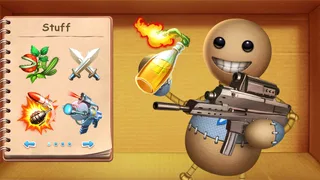
- A wide range of weapons keeps experiments varied.
- Short sessions suit casual play.
- The humorous character reactions add a lighthearted tone.
- Many customization options let players personalize Buddy.
Cons
- Frequent ads can interrupt play.
- Some items require in-app purchases.
- The repeated gameplay may lose its appeal over time.
- Effects and animations can feel chaotic on smaller screens.
- The game offers limited challenge for experienced players.


