



Our review
 Analysis by Lookingapps
I like Pokémon TCG Pocket most when I treat it as a small daily card ritual rather than a replacement for every other Pokémon card game. Its collecting is easy to dip into, its cards have a strong visual presence, and opening a pack can be satisfying even when I am not in the mood for a long match. The trade-off is that the steady, low-effort pace may feel restrictive if you want to build a particular deck quickly or play for hours without interruptions.
Collecting first, battling when you feel like it
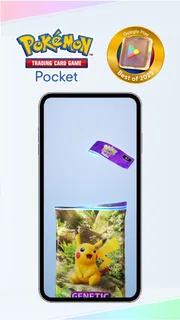
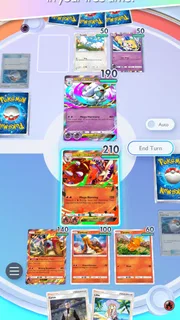
Pokémon TCG Pocket is a free card game from The Pokémon Company, designed around collecting digital Pokémon cards and playing with them. The central appeal is simple: open booster packs, look through what you find, and gradually shape a collection. You can open two packs a day at no cost, which gives the game a natural stopping point instead of demanding a long session.
That rhythm works well in everyday life. I can imagine opening a pack during a coffee break, checking whether a new card fits a deck, and leaving the game there until later. It also suits someone who enjoys the anticipation of collecting more than the time and effort involved in organizing physical cards. The cards are the focus, not a shop-like screen full of unrelated activities.
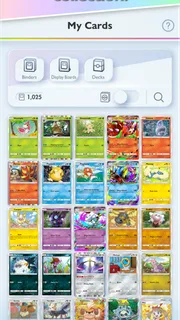
The game is listed in the card game category, but its appeal is broader than battling alone. A collection can be a goal in itself: you may care about finding a particular Pokémon, seeing a new illustration, or filling out more of your digital binder. If you only want a competitive card battler, the collection-oriented pace may not be enough; if you like collecting and occasional matches, it is a more natural fit.
A gentler entry point than a full tabletop routine
Physical Pokémon cards bring the pleasure of handling a deck, trading with friends, and keeping cards on a shelf, but they also mean acquiring and carrying real cards. Pocket makes digital collecting much easier to pick up in spare moments. Compared with a more battle-first card game, its daily pack cadence puts discovery at the center and asks you to accept that progress can be gradual.
That distinction matters if you are deciding what to install. Someone who wants to learn the complete tabletop game, build a carefully tuned deck, and play long sessions may be better served by a fuller card-game experience. Pocket is better for a casual collector, a returning Pokémon fan, or a player who wants a compact way to enjoy the cards without making the hobby a major commitment.
How the current release fits into the experience
The game launched on October 22, 2024, and its current version is 1.7.5. That gives existing players a useful point of reference: Pocket is an established ongoing app rather than a brand-new release. I would still treat the version number as a snapshot, not a promise about what comes next. It tells you which version is current, but it does not by itself explain every change or guarantee a particular future feature.
More articles

Instagram Makes Everyday Moments Worth Sharing
A rare social app that can be a photo diary, a neighborhood window, and a lively conversation in the same session—though its best moments still require a little restraint.
For a new player, the practical effect is straightforward: you are joining a game with an existing collection-focused identity, not starting from a blank concept. For someone who has played before, an update is a reason to check the current app and its in-game notices, but I would avoid assuming that a version change means the daily routine or available cards have been transformed. The best way to judge whether it feels different is to return to the parts you care about—opening packs, browsing your collection, and playing—and see whether they still suit you.
There is a useful trade-off in the design. A small, repeatable daily allowance makes it easier to enjoy the game without spending, but it can also make a specific collecting goal feel slow. If you are chasing one card, the experience depends on patience and the luck of what you open. I would go in expecting a gradual collection rather than treating each session as a reliable way to obtain a specific card.
Making your collection easier to enjoy
A practical tip is to decide what you want from a session before opening the app. If you are there for the visual collection, spend your time looking through cards and appreciating the artwork rather than measuring every pack by whether it advances a deck. If you are there to battle, keep an eye on how the cards you already own work together; a broad collection is not automatically the same thing as a focused, usable deck.
That separation helps avoid a common frustration: opening packs with a competitive goal in mind and feeling disappointed whenever the result does not match a plan. I find it healthier to see packs as the collection activity and battles as a way to make use of what has accumulated. If a particular deck matters more than collecting, you may prefer a game or format that gives you more direct control over building it.
Another good routine is to browse before making any purchase. The game is free to download, but it offers in-app purchases priced from $0.99 to $99.99 per item. Those options can make the collecting loop more tempting, especially when you are close to a personal goal. I would set a spending limit in advance—or keep purchases off the table entirely—so that a random pack result does not turn into an impulsive attempt to force progress.
Who will enjoy it, and who may not
With a 4.6 average from around 1.8 million ratings, it has clearly found a large audience, and it has over 50 million installs. Those figures show broad reach, but they do not tell you whether its pace matches your taste. The game is rated for Everyone, making its presentation suitable for a broad age range, while the choice to spend on optional purchases is still worth discussing with younger players.
I would recommend it to Pokémon fans who enjoy collecting, people who want a short daily game, and card players who like a lighter way to engage with Pokémon cards. It is also a reasonable choice for someone who has fond memories of the trading card game but does not want to manage physical packs and binders. The free daily packs give you a way to begin without paying, so you can decide whether the routine itself is enjoyable before considering anything else.
I would skip it if you dislike chance-based collecting, expect to obtain a chosen card on demand, or want an uninterrupted stream of progress every time you open a game. It may also be the wrong choice if the physical side of card collecting—trading, handling, and arranging real cards—is the main reason you enjoy the hobby. Pocket captures the convenience of a digital collection, not the social and tactile parts of owning physical cards.
Small points that make a difference over time
First, the daily pack limit is best understood as a boundary that protects the game from taking over your day, not merely as a restriction. It makes a short check-in feel complete, but players who want a long session may run out of the activity they came for. I would pair pack opening with browsing or a match rather than expecting opening alone to provide unlimited play.
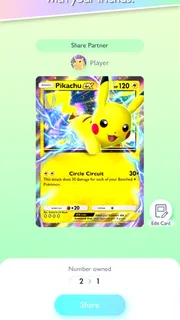
Second, it helps to keep separate expectations for collecting and battling. A card can be exciting to find because of its Pokémon or presentation even if it does not immediately improve a deck. Conversely, a useful card may matter more in a match than it does as a collectible. Thinking in those two tracks makes it easier to appreciate what you have instead of judging every pull by a single standard.
Third, the free entry point makes Pocket easy to try, but the range of optional purchase prices means it is sensible to make a plan before you get invested in completing a collection. I would not spend just because a goal feels close: the appeal of a chance-based pack is that it can surprise you, and the same uncertainty can make spending feel less predictable. If you are comfortable enjoying the cards you happen to collect, that tension is much easier to manage.
What I would keep an eye on
For current players, the most useful thing to watch is whether future versions preserve the parts that make the game pleasant for them: an easy daily visit, a collection worth browsing, and enough reason to return without turning every session into a purchase decision. I would judge updates by their effect on that routine rather than by a version number alone. New players can simply start with the free experience and see whether opening packs and exploring the collection are rewarding at the pace the game sets.
Overall, I see Pokémon TCG Pocket as a polished, low-pressure companion for Pokémon card fans, with a clear limitation: it is much more satisfying when you enjoy the process of collecting than when you are fixated on one specific result. The free daily packs make it easy to try, and the Everyone rating helps it suit a broad audience, but optional purchases call for sensible boundaries. If you want a little Pokémon card enjoyment in spare moments, I think it is worth a look. If you want fast, fully directed deck-building or the feel of physical cards, another way to play will serve you better.
My recommendation: try it as a daily collecting game first, then decide whether its battles add enough for you. That approach makes the strengths clear without mistaking its measured pace for a promise of instant progress.
Pros
- Quick matches fit into short breaks.
- Daily free packs offer regular chances to collect cards.
- Simple tutorials make the rules approachable for newcomers.
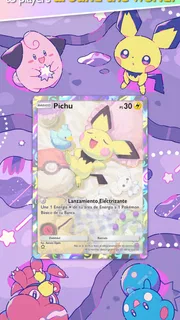
- Immersive card art looks great on mobile screens.
- Private battles let friends play together.
Cons
- Trading has restrictions that can limit card exchanges.
- Pack openings rely on luck to find specific cards.
- Some cards and features require premium currency.
- Collection management can feel tedious as it grows.
- Online play depends on a stable internet connection.


