
Our review
 Analysis by Lookingapps
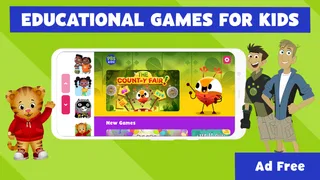
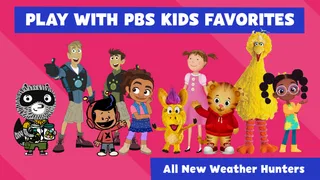
Choosing an educational game for a child is about more than finding something colorful to tap. I look for a balance: familiar characters, a playful feel, and learning that doesn’t turn screen time into another lesson. PBS KIDS Games is built around that mix, bringing together characters such as Daniel Tiger and the Wild Kratts in a collection of games designed for safe, educational fun.
What I look for in an educational game
Before picking a game for a young player, I think about what the child already enjoys and how much guidance they may need. A game based on recognizable characters can make it easier to get started, while a range of activities can help keep the experience from feeling repetitive. Just as important, the game should feel inviting rather than demanding: children are more likely to return when play is the main attraction and learning comes along naturally.
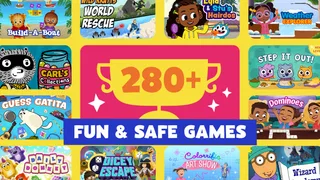
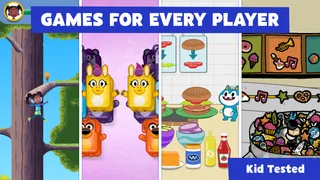
Educational games for kids can take several forms. Some focus on one subject or skill, some offer open-ended play, and others gather activities around a collection of characters. PBS KIDS Games fits that last approach. Its appeal is less about one single premise and more about giving children a familiar, playful place to explore activities connected with shows they may already know.
That makes it a useful option for families deciding between a focused learning app and a broader game collection. If a child is especially attached to Daniel Tiger or the Wild Kratts, those characters can provide a welcoming starting point. If the priority is a narrow, structured practice routine, a more specialized educational app may be a better match. The right choice depends on what holds a child’s attention and what a caregiver wants from playtime.
Familiar characters make a difference
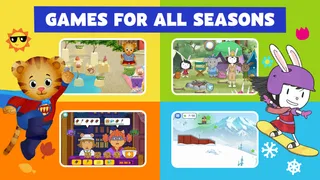
One of the clearest strengths of PBS KIDS Games is its connection to recognizable children’s entertainment. Daniel Tiger and the Wild Kratts give the collection an immediate identity, rather than making it feel like a generic set of learning exercises. For a child who already enjoys those characters, that familiarity may lower the barrier to trying a game and make the experience feel more like play.
I also like that the overall concept is easy to explain to a parent or child: it is a place to play and learn with PBS KIDS characters. That simple pitch is helpful when choosing from a crowded app store, where educational titles can range from quiet puzzles to highly structured lessons. The collection format gives it a broad, approachable feel without requiring a family to commit to a single subject or character theme.
Where this game stands out
The main reason I’d consider this game is its combination of entertainment and educational intent. It is presented as safe, educational fun, and its character-led approach gives that promise a friendly face. That can be a good fit for children who respond better to playful settings than to apps that look and feel like digital worksheets.
More articles

Instagram Makes Everyday Moments Worth Sharing
A rare social app that can be a photo diary, a neighborhood window, and a lively conversation in the same session—though its best moments still require a little restraint.
Its scale also gives families a useful signal of established interest. The game has more than 10 million installs, and its average rating is 4.3 from around 55,000 ratings. Those figures don’t tell me whether a particular child will love it, but they do show that it has reached a substantial audience and attracted broad feedback from players and caregivers.
The game is free, which makes it easy to consider without an upfront purchase. For parents comparing educational games, that removes one common decision point: there’s no listed price to weigh against a child’s uncertain interest. It is rated for Everyone, a broad content classification that may help when families are reviewing age suitability alongside their own preferences.
On the app-store side, the game has accumulated around 12,000 written reviews. I treat reviews as one part of a decision, not a substitute for trying an app with a child. Still, the combination of a sizeable audience, familiar characters, and a clear educational purpose makes this a recognizable option in the kids’ game category.
When another kind of app may fit better
PBS KIDS Games isn’t automatically the best choice for every child or every learning goal. A family looking for concentrated practice in one subject may prefer an app dedicated to that area. A child who wants a quieter, more open-ended activity might respond better to a creative play app. And some children simply connect more strongly with different characters or styles of animation.
That doesn’t make those alternatives better overall; it means they solve different needs. I’d compare them by asking what the child actually enjoys, whether the experience feels age-appropriate, and whether a caregiver wants a broad set of playful activities or a more focused routine. Those criteria are more useful than choosing an app solely because it has a familiar name or a long list of features.
For children who don’t know the featured characters, the collection may have less immediate pull. In that case, a game built around a child’s existing interests could be a smoother first choice. On the other hand, if the child recognizes Daniel Tiger or the Wild Kratts, that connection could make PBS KIDS Games easier to introduce than an unfamiliar educational title.
I’d also keep expectations realistic. The game’s educational positioning makes it a play-based option, not a replacement for a caregiver, classroom, or personalized learning plan. It can be part of a child’s entertainment mix, but families should still choose activities based on the child’s needs and balance screen play with other experiences.
Trying it without making a big commitment
Because the game is free, the practical cost of giving it a try is low. The more meaningful cost is time: a caregiver may want to explore the experience with a child, see whether the characters and activities hold their interest, and decide whether it suits the family’s routine. That small trial can be more informative than relying on a rating alone.
If a child is already using another educational game, switching doesn’t have to mean replacing it outright. I’d treat PBS KIDS Games as another option to compare, then watch which kind of play the child returns to willingly. A broad character-based collection may complement a focused learning app, or it may be enough on its own for a family seeking a casual educational game. The decision can be guided by the child’s response rather than by a rigid idea that one app must do everything.
The game was released on April 27, 2016, and its current version is 6.14.0. It requires Android 7.0 or later. Those details are useful when checking whether a device can run it, especially in a household using an older phone or tablet. For iOS availability and device compatibility, check the relevant app store before installing.
A practical recommendation for families
I’d recommend PBS KIDS Games to caregivers looking for a free, character-led educational game and to children who already enjoy PBS KIDS personalities. Its strongest appeal is the approachable blend of familiar characters and playful learning, rather than a promise to serve every age, interest, or subject equally well. The Everyone rating and broad educational framing make it a reasonable candidate to consider for family screen time.
If you’re choosing between this and a specialized learning app, start with your goal. Pick PBS KIDS Games when broad, character-based play sounds like the better way to invite a child into an educational activity. Consider another category when the child needs a narrower focus or prefers a different style of play. Either way, sit with the child during an initial session and let their interest guide the next step.
Overall, this is a straightforward option for families who want educational play with well-known children’s characters. It is free, widely used, and easy to understand as a concept, with a clear focus on safe fun and learning. For a child who enjoys Daniel Tiger, the Wild Kratts, or PBS KIDS more generally, this is a sensible game to try; for a child with different interests, compare it with alternatives and choose the experience they’ll genuinely want to return to.
Pros
- Free to download with no in-app purchases
- Offers games based on familiar PBS KIDS shows
- Simple controls suit young children
- Supports offline play for many games
- Includes activities for a range of age groups
Cons
- Requires a sizable download for the full game collection
- Some games may need an internet connection
- Content selection can vary by region
- Young children may need help navigating the app
- Updates may change which games are available


