
Our review
 Analysis by Lookingapps
I’d approach Last Asylum: Plague as a strategy game for players who enjoy weighing limited resources against an unfolding crisis, rather than as a quick, self-contained puzzle. Its premise points toward a sanctuary under pressure, with survival and the people responsible for holding the place together at the center. That gives the game a more human frame than a purely abstract contest over territory, though the real appeal will depend on whether you like managing an ongoing situation instead of finishing a match and moving on.
How it fits into a strategy routine
The game is made by 37GAMES GLOBAL and sits in the strategy category. It is free to start, with optional in-app purchases priced from $0.99 to $99.99 per item. That broad range is worth keeping in mind: you can try the game without paying up front, but anyone who prefers to avoid spending pressure should decide on a personal limit before getting invested. A free download is not the same as a promise that every later step will feel equally comfortable without purchases.
The store summary casts the experience around one doctor, one sanctuary, and a last chance. I read that as a useful signal about its intended mood: the stakes are personal and survival-oriented, not simply about building the biggest empire. If you like strategy games where decisions feel tied to keeping a vulnerable community going, that framing may draw you in. If you want a clean competitive board-game feel, or a campaign with a clearly defined finish, you may prefer a different kind of strategy title.
My practical test for a game like this is whether it fits the gaps in an ordinary day. A short check-in during a commute or lunch break can suit a mobile strategy game, but only if progress does not require constant attention. I’d treat Last Asylum as something to explore in deliberate sessions at first: learn what the game asks of you, then see whether its pace works around your schedule. Don’t assume that the crisis-themed presentation means it is either a fast action game or a purely casual distraction.
The audience response gives a useful, if imperfect, sense of reach. The game has a 4.4 average from around 373,000 ratings, and it has passed 10 million installs. That suggests many players have tried it, while the average leaves room for mixed experiences. A rating cannot tell me whether someone disliked the strategy, the pacing, or the purchase model, so I’d use it as context rather than as a substitute for checking whether the game’s premise and style suit you.
What the current version tells you—and what it doesn’t
The current version is 1.0.106, and the game’s release date is February 28, 2026. Those facts establish a current reference point, but they do not, on their own, show how the game has changed from an earlier build. I wouldn’t infer a particular balance update, new chapter, or quality-of-life improvement from the version number alone. For someone already playing, the sensible approach is to read the update notes shown in the app store before installing an update and check whether they mention a change that affects your routine.
That distinction matters because version numbers can be easy to overinterpret. A later build may include fixes or other changes, but without specific notes there is no honest way to claim which parts of the experience were revised. New players can simply begin with the current release; returning players should compare the actual notes with the issues they care about, such as stability or a mechanic they found frustrating, rather than expecting a numbered update to transform the game.
More articles

Instagram Makes Everyday Moments Worth Sharing
A rare social app that can be a photo diary, a neighborhood window, and a lively conversation in the same session—though its best moments still require a little restraint.
The age rating is Teen, which helps families make an initial suitability check, but it is not a detailed description of every scene or theme. The plague and survival framing may feel heavier than a bright, low-stakes city builder, so I would consider whether that atmosphere is comfortable for the person playing. The minimum operating-system requirement is Android 7.0, which makes the compatibility threshold relatively accessible for Android users with older software, though a supported operating system alone cannot guarantee equally smooth performance on every device.
How I’d judge the strategy before committing
For a new player, I’d pay attention to how clearly the game explains the consequences of each decision. In a survival setting, a choice can feel meaningful only when you understand what it trades away: time, safety, or the ability to respond to a later problem. If the tutorial or early play makes those connections clear, the setting can give routine management decisions real tension. If the game asks for repeated choices without showing why they matter, the same premise can become a sequence of chores.
A useful first-session habit is to resist spending simply because a timer or setback makes progress feel urgent. Play long enough to learn the ordinary rhythm and identify which obstacles recur. That gives you a better basis for deciding whether an optional purchase would genuinely improve your experience or merely help you bypass friction you have not yet understood. With purchases ranging from $0.99 to $99.99 per item, checking the amount carefully before confirming is especially sensible; I would not treat the existence of a small entry price as evidence that every purchase is small.
Another practical tip is to notice whether the game rewards planning ahead or frequent returns. Those are different kinds of commitment. If progress is satisfying after a few focused visits, it may work well for someone who likes a steady mobile project. If you find yourself checking repeatedly because you fear losing momentum, ask whether that habit is enjoyable or just pressure. That is a personal test rather than a claim about a particular timer or system, and it is one of the most useful ways to decide whether a live mobile strategy game belongs in your routine.
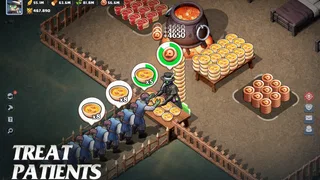
The doctor-centered setup also gives the game a natural lens for evaluating its writing and decisions. I’d look for whether the people and consequences feel distinct, rather than treating the sanctuary as a generic resource panel. That is a higher bar than attractive presentation: a strong survival strategy game makes trade-offs understandable and memorable. Players who mainly want elaborate tactical battles may find the premise less compelling if its strongest moments are about maintaining a refuge instead of direct combat.
Where it stands against familiar alternatives
Compared with conventional base-building strategy games, Last Asylum’s plague-and-sanctuary framing suggests a more focused survival identity. A standard builder often appeals through expansion and visible accumulation; here, I’d expect the central question to be whether you can preserve a functioning refuge under pressure. That difference may make the setting more involving, but it also means it is not automatically the best choice for someone seeking open-ended construction or a relaxed decorating loop.
It also differs from a traditional turn-based strategy game, where you can usually pause between turns and consider a board position in isolation. A mobile survival game may ask you to think about continuity and return visits instead. If you have limited time and dislike games that encourage frequent check-ins, a turn-based alternative is likely a better fit. On the other hand, if you enjoy watching a situation develop across sessions and adjusting your approach, the sanctuary premise gives you a clear reason to come back.
I would also separate it from quick tactical games built around short rounds. Those are easier to recommend when someone wants a complete play session in a few minutes. Last Asylum’s central setup sounds more suited to players willing to follow an ongoing challenge, so I would not choose it as a replacement for a bite-sized puzzle or a match-based game. The key question is not which style is objectively better; it is whether you want a continuing survival problem or a neat, self-contained win-and-reset cycle.
Who is likely to enjoy it—and who may not
I’d recommend giving it a try if you like strategy with a survival theme, want a mobile game that can become a continuing project, and are comfortable evaluating optional purchases on your own terms. The free entry point makes it possible to see whether the tone and pacing work for you before paying. Its broad audience, reflected in over 10 million installs, is reassuring as a sign that it has attracted substantial interest, but popularity cannot tell you whether its particular style will click.
I’d be more cautious if you are looking for a fully paid experience with no purchase prompts, a brief campaign with a definite ending, or a game that never asks you to think about it between sessions. I’d also skip it if plague-centered survival themes are not your taste. Those preferences are more important than the overall rating: a well-reviewed strategy game can still be the wrong choice when its format clashes with how you want to play.
For parents, the Teen rating is a starting point, not a complete decision. I’d review the game’s presentation and purchase options together with the young player, especially because optional items have a wide price range. For players on older Android devices, the minimum requirement of Android 7.0 is useful to know before downloading, while actual comfort will still depend on how the game runs on that specific device.
What existing players should watch next
For returning players, I’d focus on whether future updates address concrete pain points rather than assuming that a higher version number means a particular improvement. Check the update notes for changes that matter to you, and compare them with your own experience: are decisions clearer, is the day-to-day rhythm more enjoyable, and do you feel able to make progress without spending? Those are better measures of a useful update than a vague expectation that every new build must add more content.
For newcomers, the best next step is simple: install the free game, play long enough to understand its basic rhythm, and make a deliberate choice about purchases only after you know what is slowing you down. The version currently available is 1.0.106, but I’d treat that as a snapshot, not a guarantee about what the game will become. Its 5,700 reviews offer another place to look for recurring player concerns, though individual experiences can differ sharply.
My overall view is that Last Asylum: Plague is most promising for players who want strategy tied to a tense sanctuary-survival premise, rather than an interchangeable empire builder. I like the clarity of that identity, and the free entry makes a cautious trial easy. I would still watch the pacing and purchase pressure closely, because those can determine whether the game feels like a satisfying long-term challenge or a demanding daily obligation. If the idea of managing a refuge through an ongoing crisis genuinely appeals to you, it is worth trying; if you want short, self-contained play or a purchase-free experience, another strategy game will probably suit you better.
As a final check, I’d keep an eye on how the game evolves without treating hopes as confirmed changes. Look for specific, useful notes in later releases, and judge them by whether they improve the parts you actually use. That approach keeps expectations grounded while giving the game room to earn a place in your routine. For me, the appeal is the distinctive survival focus; whether it lasts comes down to the moment-to-moment decisions and whether its ongoing demands feel fair.
Pros
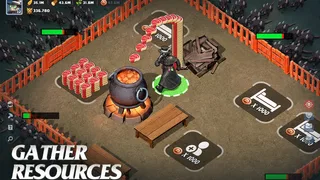
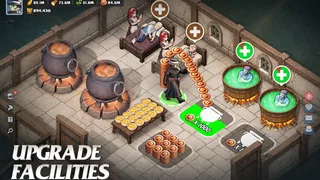
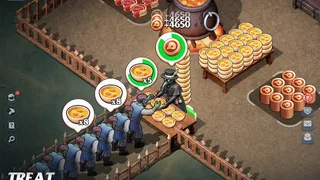
- Base building gives you a steady sense of progress.
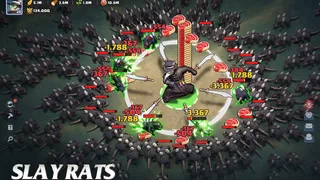
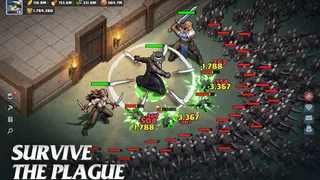
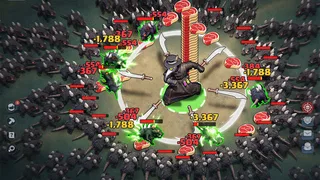
- Hero skills add variety to combat encounters.
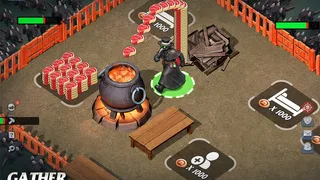
- Resource gathering supports long-term upgrades.
- The plague setting creates a distinctive atmosphere.
- Short missions suit quick play sessions.
Cons
- Progress can slow when upgrade resources run low.
- Combat may feel repetitive over time.
- Frequent events can encourage daily check-ins.
- Later upgrades may require substantial grinding.
- The interface can feel crowded with multiple systems.


