


Our review
 Analysis by Lookingapps
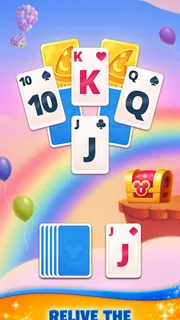
When I first open Disney Solitaire, I know the basic idea: play cards, take on challenges, and enjoy Disney-themed scenes. What matters more is how that familiar format feels in practice. This is a card game from SuperPlay, and its appeal is the combination of quick solitaire play and a playful Disney presentation. I find it easiest to enjoy when I treat it as a small, focused break rather than a game I need to make a major project of.
The first few minutes are a good way to decide whether its style suits you. If you already like solitaire, the card puzzles give you a familiar starting point; if you mainly want a quiet game with a bit of visual character, the Disney framing may be the draw. The game is free to download, rated Everyone, and has optional in-app purchases, so I would begin by playing normally and decide later whether any purchase is worth it to me.
What to expect from a Disney-themed card game
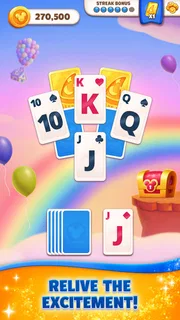
At its heart, this is not a broad collection of card games or a competitive table for playing against friends. It is a solitaire game built around individual challenges. That distinction is useful before installing: the enjoyment comes from working through a card puzzle and seeing the Disney-themed presentation, not from bluffing, trading hands, or testing a deck against another person.
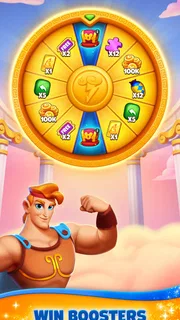
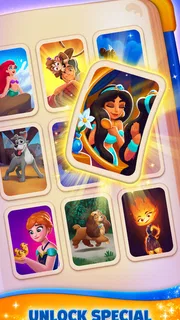
The game’s stated goal is to complete card challenges and unlock magical memories. That gives the play a sense of progression beyond simply clearing one layout, though I would approach that as a reason to continue rather than assume every session will deliver a big story moment. The strongest fit is someone who likes a familiar puzzle loop with a themed reward attached. A player who wants a deep card strategy system or a social multiplayer experience may prefer a different kind of game.
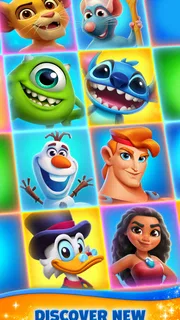
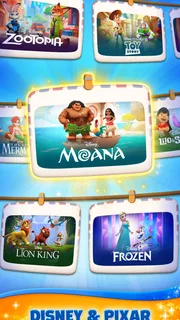
There is also a clear difference between this and a plain solitaire app. Traditional versions tend to put the cards first and keep everything else restrained. Here, Disney identity is part of the experience, so the mood and presentation matter alongside the puzzle. That is a genuine plus when you enjoy the characters and worlds; it is less compelling if you want an austere, no-frills card table with minimal distractions.
Its reach suggests that the idea has found a large audience: the game has more than 10 million installs, an average rating of 4.8, and around 883,000 ratings. Those figures are reassuring context, but they do not tell me whether a particular player will enjoy its pacing. I would use the first session to judge the actual feel of the challenges and the presentation, rather than treating popularity as a guarantee.
Why the theme changes the feel of a short session
For me, the Disney setting works best as a gentle layer around a familiar activity. If I have a few spare minutes and want something more engaging than scrolling, a card challenge gives me a simple task to focus on. The theme makes that routine feel more inviting than a bare deck, while the solitaire format keeps the basic objective easy to understand.
More articles

Instagram Makes Everyday Moments Worth Sharing
A rare social app that can be a photo diary, a neighborhood window, and a lively conversation in the same session—though its best moments still require a little restraint.
That does not mean the theme will carry every session. If I am not in the mood for Disney imagery, I may prefer a standard solitaire game that gets out of the way. Likewise, anyone expecting a full-scale adventure with extensive narrative should set expectations carefully: the central activity is still card play, and the themed memories are connected to that loop.
Getting started without overthinking it
The game was released on April 16, 2025, and its current version is 1.26.3. It supports Android 7.1 and later, which makes it accessible to a range of Android devices that meet that requirement. Before installing, I would check that my device is compatible and that I have enough room for another game; beyond that, there is no need to prepare a complicated setup plan.
Once it opens, I would follow the game’s own opening flow and focus on the first available challenge. I would not try to optimize every move before I understand how the game presents its cards and objectives. A first-time player’s useful goal is simply to complete one challenge and notice what the game shows as the next step. That turns the opening from a vague tour into a concrete test: do I enjoy solving these layouts?
I also recommend taking a moment to inspect the interface rather than tapping through every prompt as quickly as possible. In a solitaire game, the important information is the cards, the available actions, and what the current challenge asks me to do. Learning where those cues appear early makes later sessions smoother. It is a small habit, but it helps avoid the common feeling that a game is confusing when the real issue is that I skipped the explanation.
Your first meaningful win
For a first success, I would choose a challenge, read its objective, and play deliberately until I complete it. The point is not to finish as fast as possible. It is to understand how a completed card puzzle connects to the game’s broader progression and whether that reward gives me a reason to continue. That first completed challenge is a better test of the game than simply browsing its menus.
A practical tip is to pause before a move that seems obvious and scan the visible cards for alternatives. Solitaire rewards attention, and a rushed tap can make a position harder to read. I would also avoid treating one difficult layout as proof that I am bad at the game: the right response is to reassess the available moves and the objective, not to spend money immediately. This keeps the first session low-pressure and lets me judge the puzzle design on its own terms.
After a successful challenge, I would decide whether I want another round based on how the game feels, not just on the promise of more unlocks. If I enjoyed the small decision-making loop, continuing makes sense. If I completed the challenge mainly because I wanted to see what came next, that is useful information too: the presentation may interest me more than the card play, and I should consider whether that balance will hold up over time.
Where new players can get stuck
The most likely early confusion is expecting “Disney” to mean that the cards are secondary to a story. The game is still a solitaire title. Its challenges are the activity, while the themed progression adds context and motivation. Remembering that helps me decide whether I am choosing it for the right reason. If I want a story-led Disney game, this may not meet that expectation; if I want solitaire with Disney flavor, the premise is much clearer.
Another point to keep in mind is that free-to-play does not mean every optional extra is free. In-app purchases range from $0.99 to $149.99 per item. I would set my own spending boundary before playing, especially if I am prone to buying small conveniences in the moment. The sensible first-session approach is to try the core card challenges without purchasing anything and only consider a paid item if I understand exactly what it adds and genuinely want it.
I would also distinguish a temporary annoyance from a reason to spend. If I am stuck on a challenge, first reread the objective and look for a move I missed. If I am simply tired of the puzzle, taking a break is better than paying to push through a session I am no longer enjoying. That is especially important in a casual game: its value is the light diversion, not the pressure to keep playing at any cost.
Because this is a card game, it is also not an ideal choice for every moment. When I need a game I can abandon instantly without caring about a partially played puzzle, I may prefer something with even shorter interactions. When I want an intense challenge, a strategic card battler or a more complex solitaire variant could offer more depth. Disney Solitaire sits between those preferences: approachable card play with a recognizable theme and a progression reason to return.
Who will enjoy it—and who should pass
I would recommend it to Disney fans who already like solitaire, casual players looking for a clear solo activity, and anyone who enjoys finishing small challenges in spare moments. A realistic use case is a short break while waiting for an appointment: I can focus on one card puzzle, complete it if time allows, and leave the game without needing to coordinate with other players. The format is also a natural fit for a quiet evening when I want something more active than watching a screen but less demanding than a competitive game.
I would be more cautious about recommending it to someone who dislikes themed presentation, wants multiplayer interaction, or expects a large range of card formats. It is also not my first pick for a player who wants the cards to be only a background system for a substantial plot. The important trade-off is straightforward: the Disney atmosphere and challenge progression give solitaire more personality, but they do not change the game into a different genre.
Compared with a conventional solitaire app, this one gives me a stronger reason to care about what follows a completed layout. Compared with a collectible-card game, it asks less of me in deck planning and opponent strategy, but it may offer less of that long-term tactical complexity. Those alternatives are better if I want either pure minimalism or competitive depth. I would choose this game when the combination of familiar card play and Disney presentation is exactly what I am after.
What to do after the first challenge
If the opening puzzle clicks, I would continue at my own pace and use the next challenges to see whether the loop stays enjoyable. I would pay attention to two things: whether the card decisions remain satisfying and whether the memories or themed progression make finishing feel worthwhile. That gives me a more useful basis for deciding whether to keep the game installed than counting how many sessions I have played.
For anyone wondering whether it is worth trying before committing, the answer is yes if a free, solo card game with Disney styling sounds appealing. I would start without spending, complete an early challenge, and see whether I want to return. If I do, the optional purchases are a personal choice rather than a prerequisite I would assume at the outset. If I do not, there are plenty of plain solitaire games for a simpler experience and other card genres for more interaction.
SuperPlay’s Disney Solitaire is best understood as a themed solitaire routine: approachable, focused, and most rewarding when I enjoy both the card puzzles and the Disney touch. With 63,000 reviews and an Everyone age rating, it is clearly designed for a broad audience, but the right fit still depends on what I want from a card game. My recommendation is to give it one unhurried challenge, keep purchases optional, and let that first genuine win tell you whether its particular mix is worth making part of your breaks.
Pros
- Familiar Disney characters add nostalgic appeal.
- Short rounds suit quick play sessions.
- The solitaire rules are easy to learn.
- New challenges can keep regular play engaging.
- Visual effects make card matches feel rewarding.
Cons
- Progress may depend on luck during difficult levels.
- Some players may find repeated layouts tiring.
- Limited moves can make levels feel restrictive.
- Disney character themes may not appeal to everyone.
- Regular play can require a steady internet connection.


